Storm Damage Recovery Tips for Protecting Your Property Fast
December 25, 2025
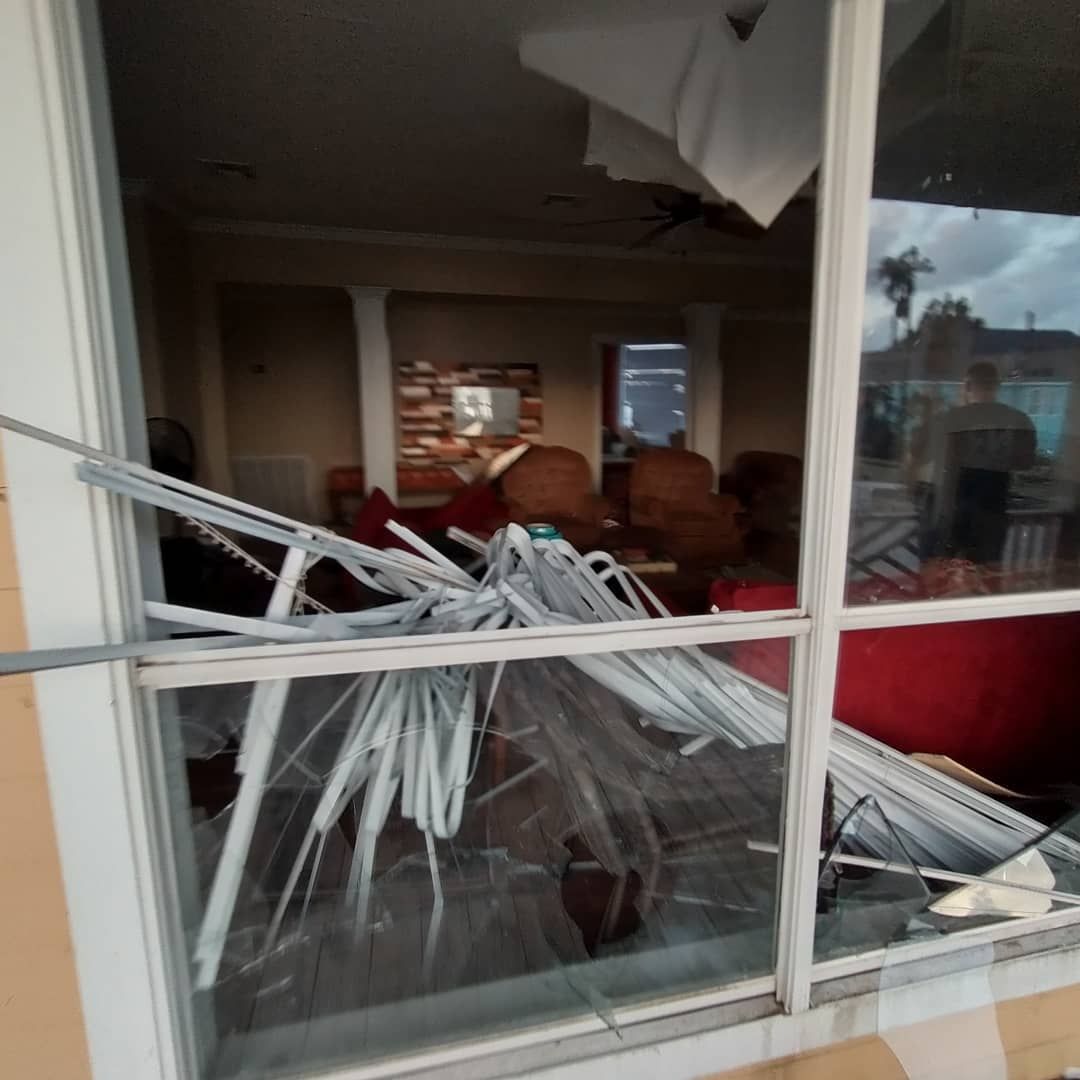
Severe weather events, from hurricanes and tornadoes to flash floods and hailstorms, can strike without warning, leaving homeowners and property managers grappling with extensive damage. Beyond the immediate threat to safety, storm damage can disrupt daily life, compromise structural integrity, and lead to costly repairs if not addressed promptly. Understanding how to respond quickly and effectively after a storm is essential for minimizing property loss and restoring normalcy. By acting fast and making informed decisions, property owners can protect both their investment and the well-being of those living or working in the affected space.
Preparation and knowledge are key components of an efficient storm recovery strategy. Knowing which steps to prioritize—such as assessing hazards, documenting damage, and initiating temporary protective measures—can drastically reduce the long-term impact of storm events. In addition, adopting proactive recovery practices can help homeowners navigate insurance claims, coordinate with professionals, and implement safety measures that prevent further deterioration. This guide offers actionable, expert-backed tips for protecting your property immediately following a storm, providing peace of mind and a practical roadmap for fast, effective recovery.
1. Immediate Safety Assessment After a Storm
Check for Hazards
The first step in storm recovery is ensuring the safety of all occupants at all times. After the storm subsides, it is crucial to carefully check for potential hazards such as downed power lines, gas leaks, broken glass, and weakened structures. Avoid entering damaged buildings until they are officially deemed safe. Personal safety should always take precedence over property concerns during recovery. Use a flashlight instead of candles to reduce the risk of fire and wear sturdy boots and gloves to protect against debris, contaminants, and unseen hazards.
Prioritize Human Safety
Ensure that everyone on the property is accounted for and completely uninjured. Administer first aid as necessary and seek emergency medical assistance for severe or potentially life-threatening injuries immediately. Keep children, pets, and vulnerable individuals away from unstable areas and structures. In the immediate aftermath, focusing on human safety is far more critical than evaluating structural damage. Once safety is confirmed, you can then shift attention toward protecting your property from further harm.
Document Hazards for Insurance
Taking note of visible hazards and damage is beneficial not only for safety but also for insurance claims processing. Capture clear photographs or videos of the scene to provide evidence of the initial conditions after the storm. Documenting the damage immediately after the storm ensures accuracy and helps prevent disputes with insurance providers later. This documentation will also serve as an essential reference during professional restoration or repair planning stages.
2. Rapid Property Assessment and Damage Documentation
Conduct a Thorough Inspection
Once safety has been confirmed, systematically inspect your property to identify all areas of concern. Start with the exterior, checking the roof, siding, windows, and doors for visible damage or compromised areas. Pay special attention to fallen trees, water pooling, and damaged fences or outbuildings. Moving indoors, check for water intrusion, ceiling leaks, broken fixtures, and compromised electrical systems carefully. A structured, room-by-room inspection ensures that no critical damage goes unnoticed or untreated during early recovery.
Take Comprehensive Photographs and Videos
Detailed documentation is crucial for both insurance and repair purposes in the aftermath of a storm. Take wide-angle shots of affected areas and close-ups of specific damages, including cracks, water stains, and structural compromises. Videos can provide additional context by capturing the scale and severity of the damage effectively. Organizing these records immediately after inspection can significantly expedite insurance claims and streamline the planning for professional repair work efficiently.
Make a Damage Inventory
Create a written inventory of damaged items, including furniture, appliances, and personal belongings of value. Note their approximate value, condition, and any unique characteristics that may affect insurance claims. This inventory serves as a reference for processing claims and helps prioritize restoration efforts according to urgency. A clear record also assists professional restoration teams in determining the required materials, labor, and timeline for completing effective repairs successfully.
3. Temporary Protective Measures
Secure Openings and Roof Damage
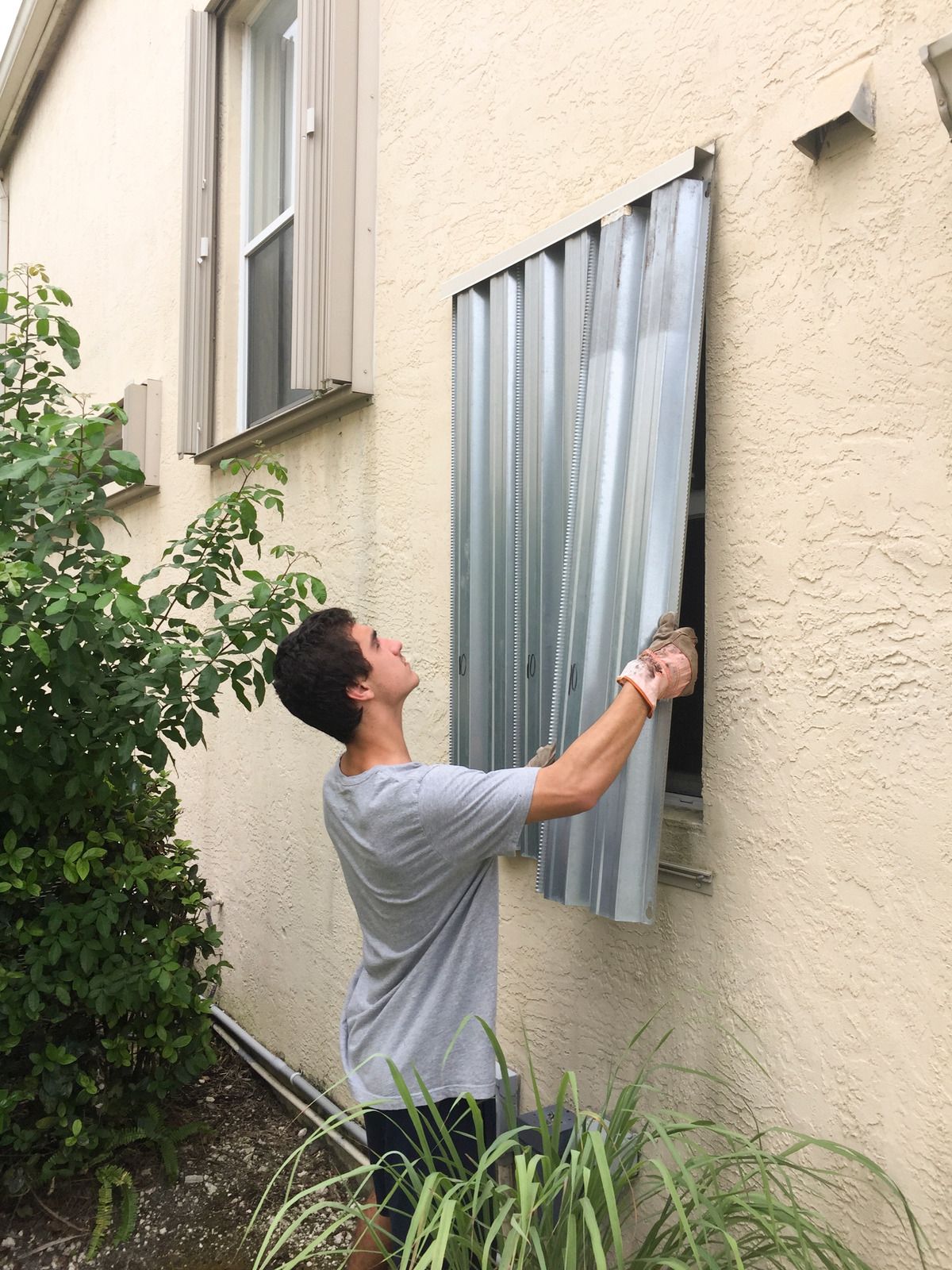
Temporary protective measures can prevent further property damage while waiting for professional repairs or insurance assessment. Cover broken windows with plywood or heavy-duty plastic sheeting to prevent water intrusion and maintain adequate security. If the roof has sustained damage, consider tarping exposed areas to minimize leaks or structural compromise. Acting quickly to protect vulnerable points reduces the risk of secondary damage from rain, wind, debris, and other environmental factors that can worsen problems over time.
Remove Debris and Water Accumulation
Clearing fallen branches, leaves, and other debris from around the property can prevent additional hazards and facilitate safer inspection. Remove standing water from floors, basements, or crawl spaces using pumps, wet/dry vacuums, or large buckets carefully. Reducing water accumulation quickly helps prevent mold growth, structural damage, and electrical hazards from developing further. Timely cleanup and debris removal also improve access for restoration professionals and insurance adjusters assessing the damage comprehensively.
Protect Valuables and Sensitive Materials
Move valuable items, important documents, and sensitive electronics to dry, elevated areas away from potential water exposure. Store items in waterproof containers or heavy-duty plastic bins to reduce the risk of irreparable damage during recovery. Prioritize items with sentimental, financial, or operational importance for immediate protection. Prompt protective action can significantly reduce replacement costs, emotional stress, and complications during both insurance claims and professional restoration efforts later on.
4. Engaging Professional Help
Contact Licensed Contractors
Storm damage often involves structural, electrical, or plumbing issues that require licensed professionals for safe and proper repairs. Engaging experienced contractors immediately ensures that restoration work is completed safely and according to current building codes. Professionals can identify hidden damage that might be overlooked in a preliminary inspection, such as compromised roofing trusses, unseen water damage, or electrical wiring hazards. Early involvement of experts reduces long-term repair costs and improves recovery efficiency substantially.
Utilize Restoration Services
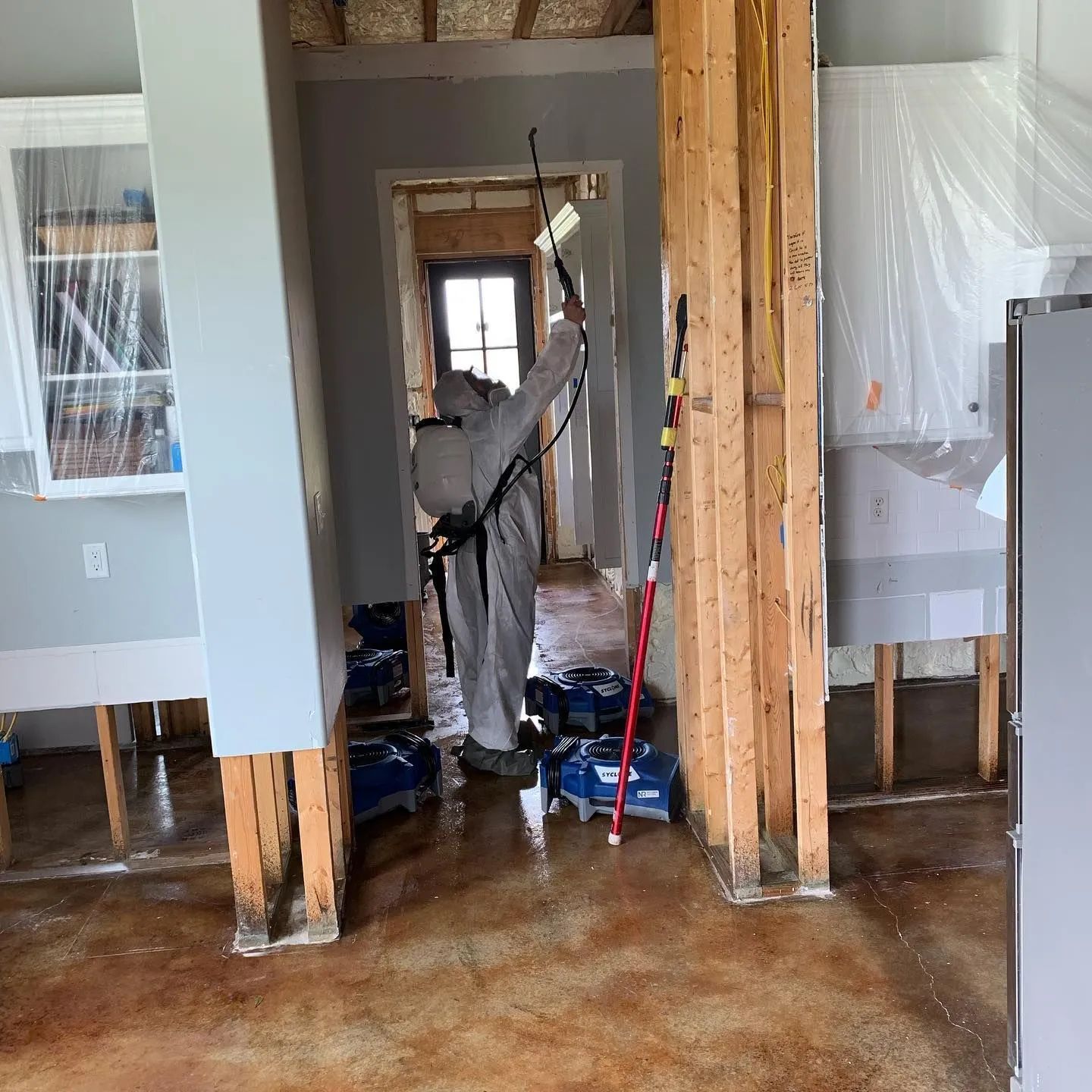
Specialized storm restoration companies provide expertise in water extraction, mold remediation, and structural drying using professional-grade equipment. Their training enables rapid intervention that minimizes long-term damage to the property and helps maintain safety standards. Hiring a professional restoration team can accelerate the recovery process, reducing the risk of secondary issues arising from delayed repairs or improper handling. Timely professional services also ensure that your property is restored to pre-storm condition effectively.
Coordinate with Insurance Adjusters
Contact your insurance provider as soon as possible to report damages accurately and begin claims processing efficiently. Share your documentation, damage inventory, and photographs to support your claim thoroughly. Professionals can also assist in communicating effectively with insurance adjusters, ensuring that all damage is accounted for, valued correctly, and that you receive proper coverage for repairs. Efficient coordination between restoration experts and insurance representatives can save significant time, money, and unnecessary stress during recovery.
5. Preventing Secondary Damage
Address Water and Moisture Quickly
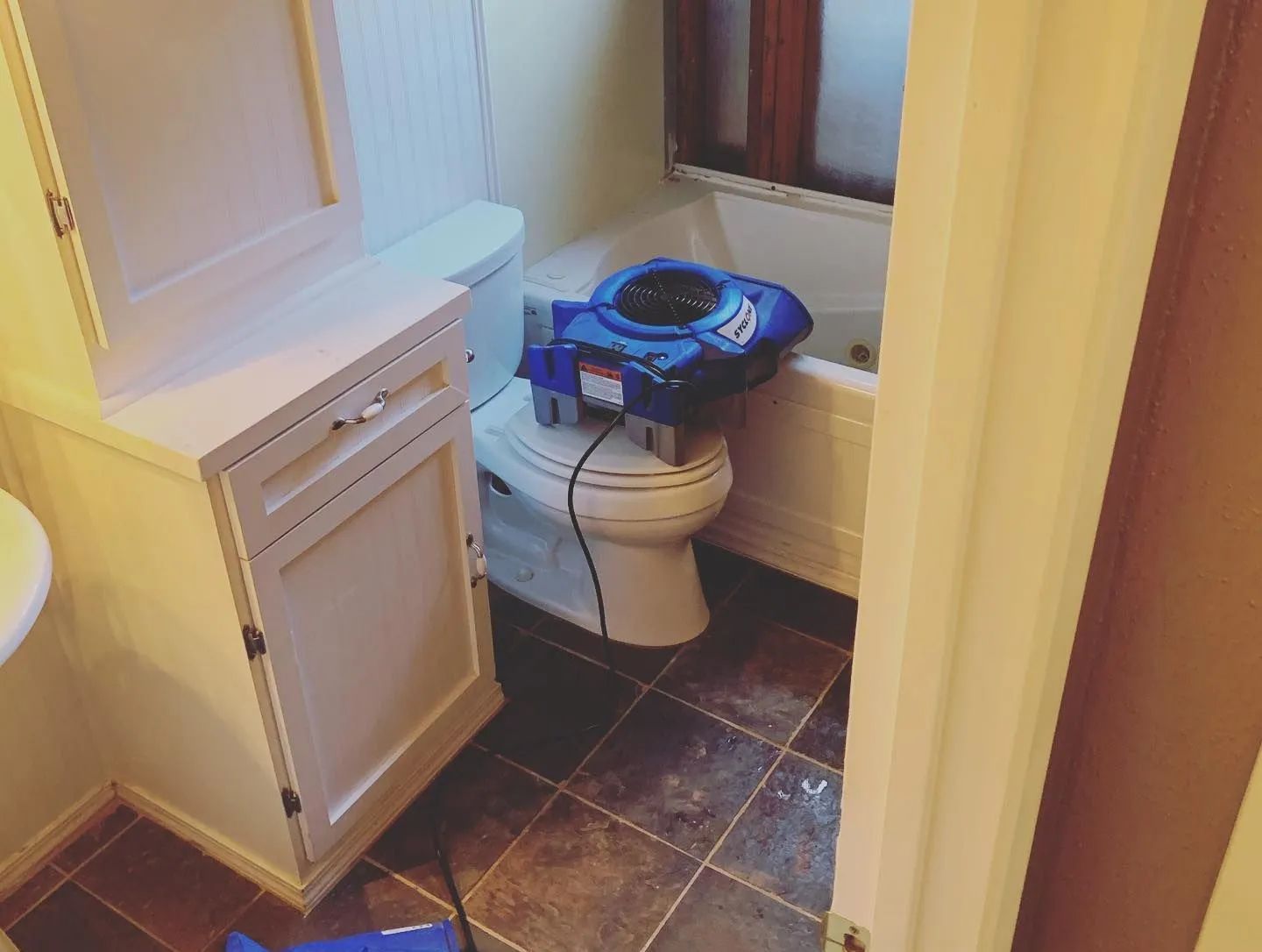
Water intrusion is one of the most destructive aspects of storm damage to property and personal belongings. Even minor leaks can lead to mold, wood rot, and structural degradation if left unaddressed. Use fans, dehumidifiers, and proper ventilation to dry affected areas quickly and thoroughly. Inspect crawl spaces, basements, and other hidden areas to prevent water from spreading unnoticed. Timely moisture management prevents secondary damage and significantly reduces repair costs over the long term.
Monitor Electrical Systems
Storms can compromise electrical circuits, creating hazards such as fires or electrocution risks. Avoid using damaged outlets, appliances, or electrical panels until inspected by a licensed electrician. Consider shutting off electricity in severely affected areas until professional assessment is complete. Preventive electrical safety measures reduce the risk of shock, fire, and additional property damage during the critical recovery period after storms.
Protect Against Pests and Contamination
Standing water, structural damage, and debris can attract pests such as rodents, insects, and other wildlife. Take preventive measures by sealing openings, clearing debris promptly, and maintaining sanitation around affected areas. In cases of sewage backup, chemical spills, or other contamination, contact specialists to safely manage hazardous materials. Addressing these risks early reduces the chance of compounding property damage, health hazards, and long-term repair challenges significantly.
Professional Guidance for Quick and Safe Recovery
Swift, informed action after a storm is crucial for protecting property and minimizing long-term damage. Prioritizing safety, conducting detailed inspections, implementing temporary protective measures, and engaging professional restoration services are essential steps in effective storm recovery. By addressing water intrusion, electrical hazards, and debris promptly, property owners can prevent secondary damage and maintain the structural integrity of their home or business. Additionally, long-term preparedness, including structural improvements and a comprehensive storm response plan, ensures resilience against future weather events.
At National Restore LLC, we bring 15
years of expertise in
storm damage restoration to homeowners and businesses in Foley & Gulf Shores, Alabama. Our licensed professionals provide fast, reliable, and thorough services, from emergency water extraction to full structural repairs. We understand the urgency of storm damage recovery and prioritize safety, efficiency, and quality in every project. Trust National Restore LLC to guide you through immediate recovery and long-term protection, ensuring your property is secure, restored, and ready to withstand future storms.