Why Regular Mold Inspection Is Crucial for Healthy Homes
February 21, 2026
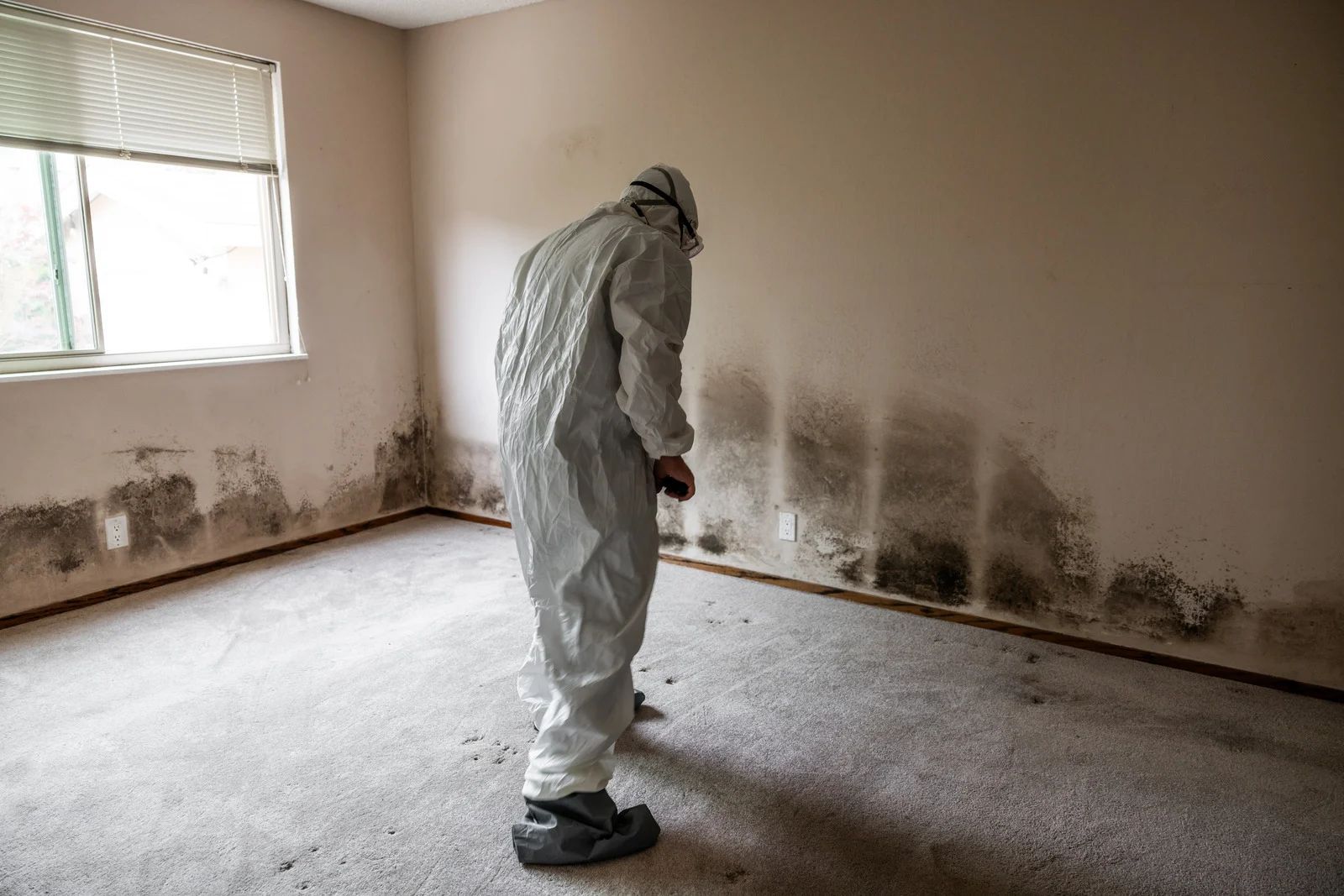
Mold is one of the most common and insidious problems that homeowners face, yet it often goes unnoticed until significant damage has occurred. While some may consider mold merely an aesthetic issue, the reality is far more serious. Mold growth in residential spaces can compromise structural integrity, trigger health issues, and result in costly remediation efforts if left unchecked. Regular mold inspections are a proactive strategy to detect, prevent, and address mold infestations before they escalate into a serious threat to both property and wellbeing. Understanding the importance of these inspections is essential for maintaining a safe and healthy home environment.
Homeowners may not always realize that mold can develop in hidden areas such as basements, attics, crawl spaces, or behind walls, often thriving in damp or poorly ventilated areas. Environmental factors like humidity, water leaks, and condensation create ideal conditions for mold proliferation. By scheduling routine inspections, homeowners can identify early signs of mold growth, mitigate potential risks, and safeguard the health of their family. In this blog, we will explore why regular mold inspections are indispensable, how they contribute to healthier homes, and actionable steps for prevention and remediation.
1. Understanding Mold and Its Risks
What Mold Is and How It Forms
Mold is a type of fungus that reproduces through microscopic spores, which are naturally present in both indoor and outdoor environments at all times. When these spores encounter moisture and organic material, they can multiply rapidly, forming colonies that thrive on surfaces such as wood, drywall, and carpeting throughout the home. Mold is not just a cosmetic problem; it actively deteriorates materials and can compromise a home’s structural integrity over time if left untreated.
Health Risks Associated with Mold Exposure
Exposure to mold can trigger a range of health issues, especially in sensitive individuals, such as children, the elderly, or those with pre-existing respiratory conditions or allergies. Common symptoms include coughing, sneezing, nasal congestion, eye irritation, skin rashes, and, in severe cases, asthma attacks or chronic respiratory infections. Long-term exposure may contribute to more serious health complications, highlighting the necessity of proactive mold detection and immediate intervention for safety.
Real-World Scenario
Imagine a homeowner noticing a musty smell in the basement but dismissing it as a minor odor without concern. Unbeknownst to them, a small water leak behind the wall has allowed mold to grow for several months continuously. By the time visible signs appear, the infestation may have spread extensively, requiring costly remediation and repair to restore the property fully. Regular inspections could have detected the issue early, saving both significant time and unnecessary money.
2. The Importance of Routine Mold Inspections
Early Detection Saves Time and Money
Routine inspections allow homeowners to identify mold growth before it spreads to large areas or compromises structural components. Early detection significantly reduces remediation costs and prevents structural damage, which can be expensive and time-consuming to repair entirely. For instance, repairing mold-damaged drywall can cost hundreds or even thousands of dollars, while treating a small, localized problem is far more manageable and financially practical.
Preventing Health Complications
Regular inspections protect residents from prolonged exposure to potentially harmful mold spores that may circulate indoors. Even if mold is hidden behind walls or under floors, professional inspections can detect it before it affects the health of family members significantly. This is particularly important for households with vulnerable individuals, ensuring indoor air quality remains safe, clean, and conducive to wellbeing consistently.
Compliance and Insurance Considerations
For homeowners, routine mold inspections can also play a critical role in maintaining compliance with insurance policies and local housing regulations effectively. Some insurance providers require proof of regular maintenance and inspections before covering mold-related claims thoroughly. Proactively inspecting for mold can prevent disputes, strengthen coverage eligibility, and offer homeowners peace of mind regarding financial protection.
3. Key Areas Vulnerable to Mold Growth
Moisture-Prone Zones
Mold thrives in damp environments, making certain areas of a home particularly susceptible to infestation over time. Bathrooms, kitchens, basements, and attics are common hotspots due to their constant exposure to water and humidity. Leaky pipes, roof damage, or improper ventilation can further exacerbate these risks, creating ideal conditions for mold colonies to flourish unnoticed in hidden spaces.
Hidden and Hard-to-Reach Spaces
Mold often develops in concealed locations, such as behind walls, under flooring, inside HVAC ducts, or beneath insulation materials. These areas are challenging for homeowners to monitor visually, which underscores the importance of professional inspections equipped with specialized tools such as moisture meters and thermal imaging cameras for accurate detection.
Signs of Mold Presence
Visible mold growth, discoloration, peeling paint, warped surfaces, and persistent musty odors are common indicators of a developing problem. Homeowners should not ignore subtle signs, as mold can progress quickly under favorable conditions and compromise both materials and health. Regular inspections ensure that even hidden growth is detected early, allowing for timely intervention.
4. Best Practices for Mold Prevention
Controlling Moisture Levels
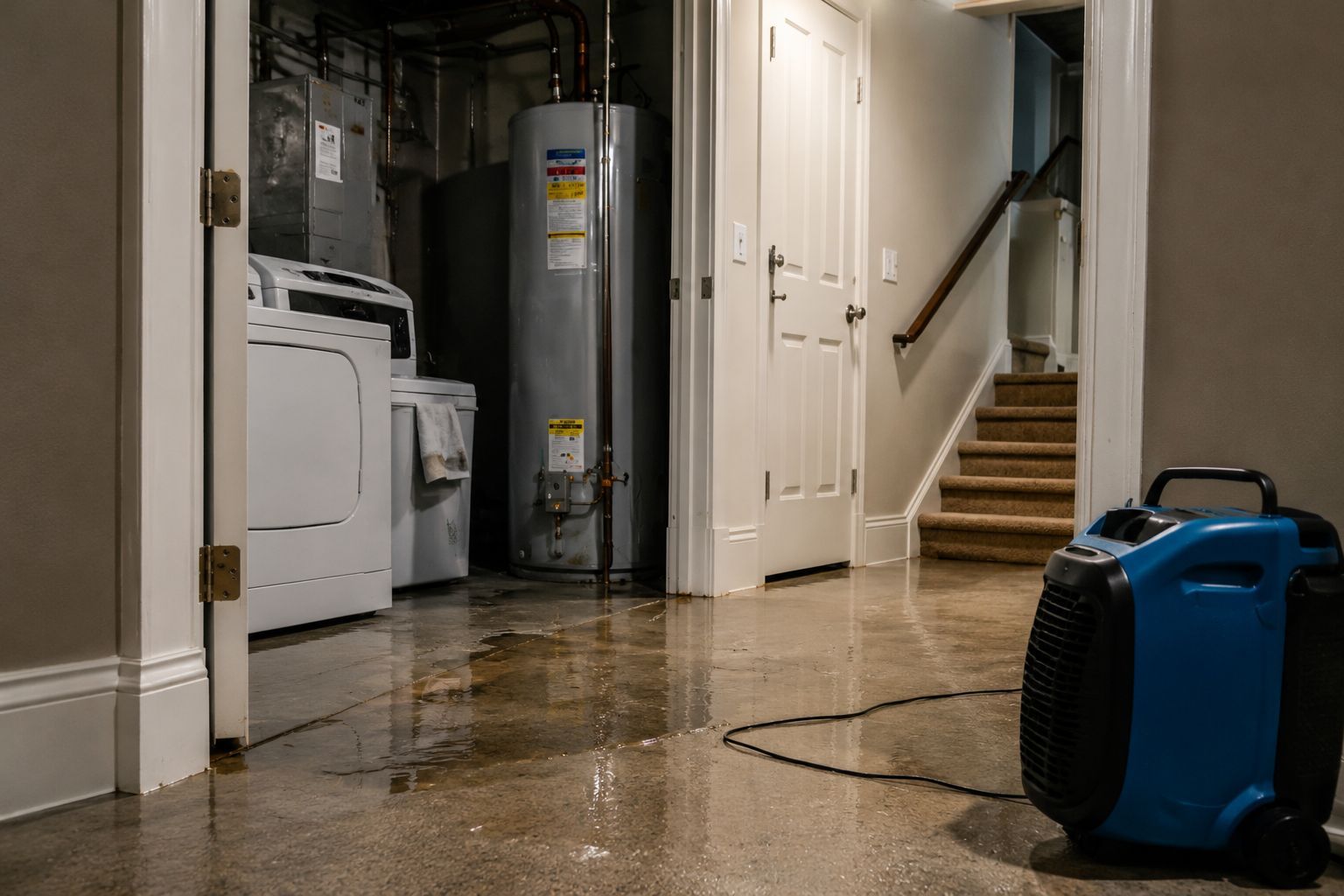
Maintaining proper humidity levels (ideally between 30–50%) is crucial for mold prevention in every area of the home. Using dehumidifiers, improving ventilation, and promptly addressing leaks can create an environment less conducive to mold growth or future infestations. These practices help protect both indoor air quality and the property’s long-term structural integrity.
Regular Maintenance and Cleaning
Routine home maintenance reduces the risk of mold infestations significantly over time. Cleaning gutters, inspecting roofs for leaks, and ensuring proper drainage away from the foundation help prevent water accumulation consistently. Regularly cleaning high-moisture areas such as bathrooms, kitchens, and laundry rooms also limits mold’s ability to establish itself unnoticed in hidden corners.
Professional Inspection and Testing
While homeowners can monitor for visible mold, professional inspections provide a comprehensive and accurate assessment. Certified mold inspectors use specialized equipment to detect moisture levels, air quality, and hidden mold colonies effectively. Testing helps identify the type, location, and severity of mold, guiding targeted and efficient remediation strategies for safety and cost-effectiveness.
Real-World Example
Consider a homeowner who schedules annual inspections routinely every year. During one inspection, a professional detects a small mold colony behind a kitchen cabinet caused by a slow plumbing leak unnoticed by the homeowner. By addressing the issue immediately, the homeowner prevents extensive damage, avoids serious health risks, and saves significant remediation costs effectively.
5. Remediation and Safety Measures
Professional Mold Removal
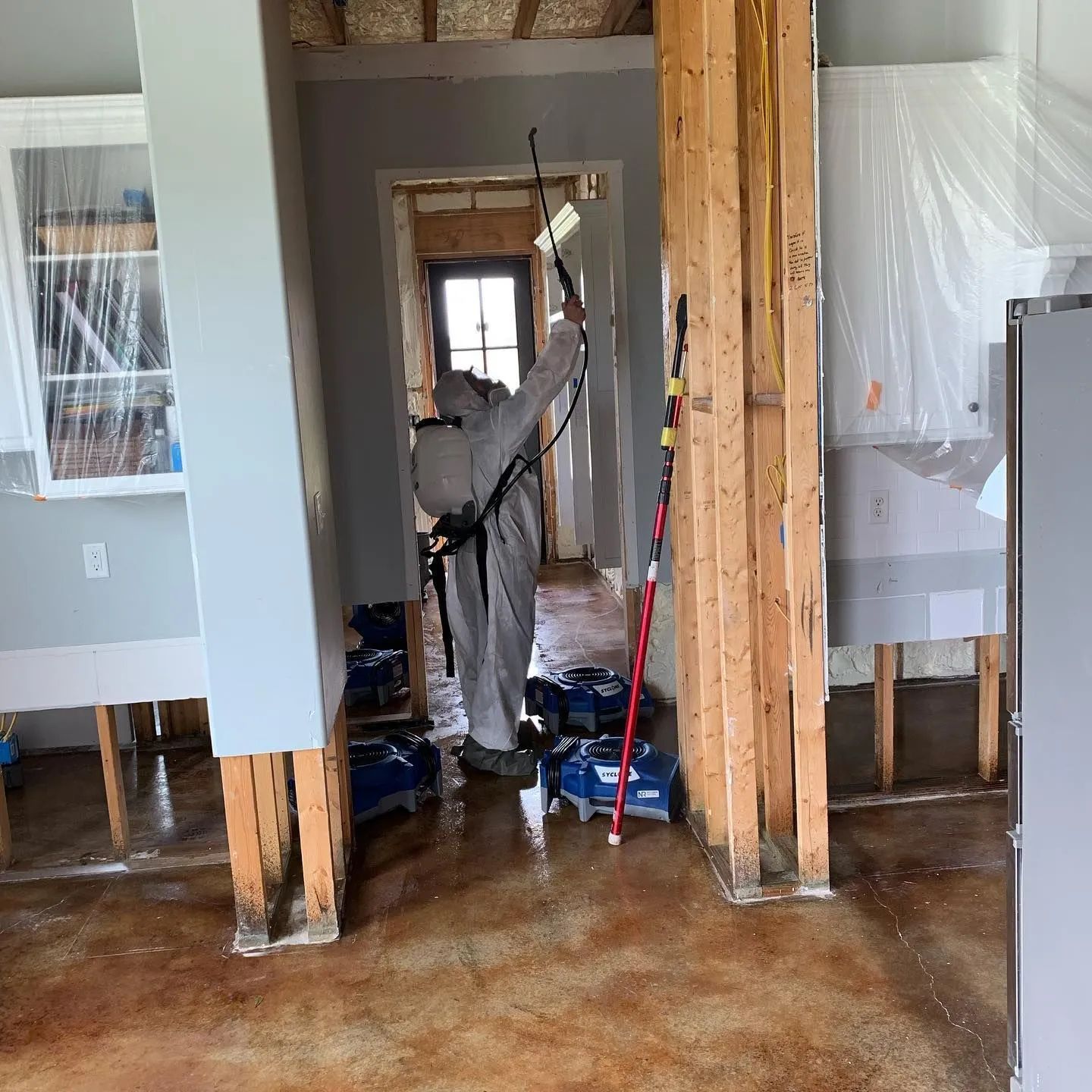
If mold is detected, professional remediation ensures safe, thorough, and controlled removal from all affected areas. Experts use containment procedures, air filtration, and specialized cleaning solutions to eradicate mold without spreading spores to other areas unintentionally. Attempting DIY removal, especially for large infestations, can pose severe health risks and often worsens the problem unnecessarily.
Health and Safety Considerations
During remediation, protective gear such as respirators, gloves, and goggles is essential for everyone involved. Proper containment prevents cross-contamination, ensuring that spores do not migrate to unaffected areas within the home. Professional teams follow strict safety protocols to protect both residents and the property during every step of the process.
Ongoing Monitoring Post-Remediation
After remediation, continuous monitoring is crucial to ensure mold does not recur in the future. Moisture control, regular inspections, and follow-up testing help guarantee a safe, mold-free environment. Establishing a consistent maintenance schedule reinforces long-term protection for both the home and its occupants effectively.
6. Benefits of Proactive Mold Inspections
Peace of Mind for Homeowners
Knowing that a home is regularly inspected for mold provides reassurance that the living environment is safe, healthy, and comfortable for all occupants. Homeowners can enjoy their spaces without worrying about hidden hazards or potential structural damage caused by prolonged mold growth in concealed areas.
Enhanced Property Value
A mold-free home maintains its structural integrity, aesthetic appeal, and long-term durability, which can positively impact overall property value. Prospective buyers are more confident in a home with documented inspection history, making proactive mold management a valuable investment in both safety and resale potential.
Reduced Long-Term Costs
Preventing mold growth is far more cost-effective than repairing extensive damage caused by prolonged infestations or structural deterioration. Routine inspections allow homeowners to tackle small issues before they escalate, ultimately saving money on repairs, healthcare expenses, and insurance claims in the long term.
Reliable Professionals Ensuring Healthy, Mold-Free Living Spaces
Regular mold inspections are an essential component of home maintenance, safeguarding both health and property. Mold can grow silently in hidden areas, and unchecked infestations can lead to serious structural damage, costly repairs, and adverse health effects. By understanding mold’s risks, identifying vulnerable areas, implementing preventive strategies, and engaging professional inspections, homeowners can significantly reduce exposure and maintain a safe living environment. Proactive monitoring not only protects residents but also preserves the long-term value and integrity of the property.
For homeowners in Foley and Gulf Shores, Alabama, National Restore LLC
offers expert water damage and mold remediation services backed by over 15
years of experience. Our team combines advanced detection methods, safe and effective removal processes, and personalized maintenance strategies to ensure homes remain healthy and mold-free. Trusted for our professionalism, integrity, and responsiveness, National Restore LLC
is dedicated to protecting families, preserving properties, and delivering peace of mind through comprehensive mold inspection and remediation services.