Proven Methods for Complete Odor Removal in Homes
April 22, 2026
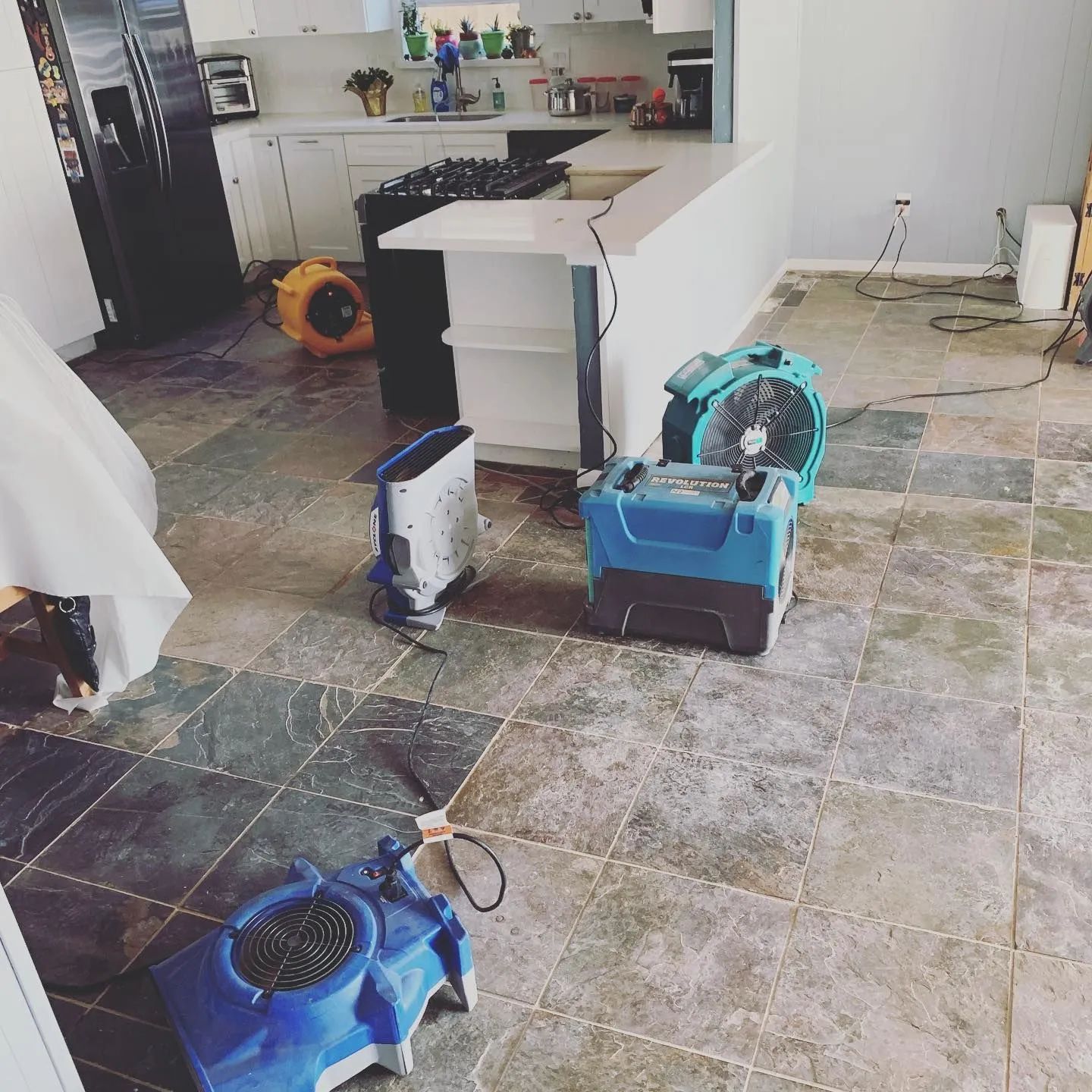
Unpleasant odors in a home are more than a minor inconvenience; they often signal underlying issues that can impact indoor air quality, comfort, and overall well-being. From lingering pet smells and cooking residue to mold-related mustiness and smoke infiltration, odors can become deeply embedded in surfaces, fabrics, and ventilation systems. Many homeowners attempt to mask these smells with air fresheners or temporary solutions, only to find the odors returning stronger than before. True odor removal requires a deeper, more methodical approach that targets the root cause rather than the symptoms. Persistent odors can also indicate hidden damage within walls, flooring, or HVAC systems that may worsen over time if left untreated. Addressing them early helps prevent long-term structural and health-related concerns. A systematic inspection and treatment process is often necessary to ensure complete elimination.
In today’s housing and restoration industry, complete odor elimination has become an essential part of maintaining a healthy indoor environment. Advances in cleaning technologies, restoration techniques, and air purification methods have made it possible to permanently remove even the most stubborn odors. Understanding proven strategies not only helps protect property value but also ensures a safer and more pleasant living space. By applying the right techniques and best practices, homeowners can achieve long-lasting results instead of temporary fixes. Modern solutions now focus on neutralizing odor at a molecular level rather than simply masking it. This scientific approach ensures deeper and more permanent results across affected areas. As a result, indoor environments can be restored to a truly fresh and healthy condition.
1. Identifying the Source of Odors
Understanding Root Causes Before Treatment
Effective odor removal begins with identifying the exact source. Odors rarely exist in isolation; they are typically the result of organic decay, moisture intrusion, smoke residue, or chemical buildup. Without locating the origin, any cleaning effort will only provide temporary relief. Common sources include pet urine soaked into flooring, mold growth behind walls, grease accumulation in kitchens, and smoke particles embedded in surfaces.
Inspection Techniques for Accurate Diagnosis
A thorough inspection involves more than visual assessment. Odors often penetrate porous materials such as drywall, carpets, and insulation. Using moisture meters, thermal imaging, and even air quality testing can help pinpoint hidden problem areas. For example, a persistent musty smell may indicate water damage behind walls rather than visible mold growth.
Real-World Scenario
Consider a home with a recurring damp odor despite regular cleaning. Upon inspection, the issue may stem from a slow plumbing leak beneath flooring. Addressing the leak and replacing affected materials eliminates the odor permanently, demonstrating the importance of root-cause identification.
2. Deep Cleaning and Surface Decontamination
Removing Odor-Causing Residue
Once the source is identified, deep cleaning becomes the next critical step. Odors are often caused by microscopic particles embedded in surfaces. Standard cleaning methods may remove surface dirt but fail to eliminate odor-causing compounds. Professional-grade cleaning agents and techniques are necessary to break down these particles.
Targeting Porous and Non-Porous Materials
Different materials require different approaches. Non-porous surfaces such as tile and glass can be cleaned with disinfectants and degreasers. However, porous materials like carpets, upholstery, and wood absorb odors more deeply and require specialized treatments such as hot water extraction or enzyme-based cleaners. Enzymatic solutions are particularly effective for organic odors, as they break down the molecules responsible for the smell.
Best Practices for Effective Cleaning
Consistency and thoroughness are essential. Skipping areas or using diluted cleaning solutions can leave behind residue that continues to emit odors. High-traffic areas, hidden corners, and ventilation components should all be included in the cleaning process. Proper drying is equally important to prevent moisture-related odors from developing after cleaning.
3. Air Purification and Ventilation Strategies
Improving Indoor Air Quality
Odors often linger in the air even after surfaces have been cleaned. Air purification plays a key role in removing airborne particles and neutralizing smells. High-efficiency particulate air (HEPA) filters are designed to capture fine particles, while activated carbon filters absorb odor molecules.
Role of Ventilation Systems
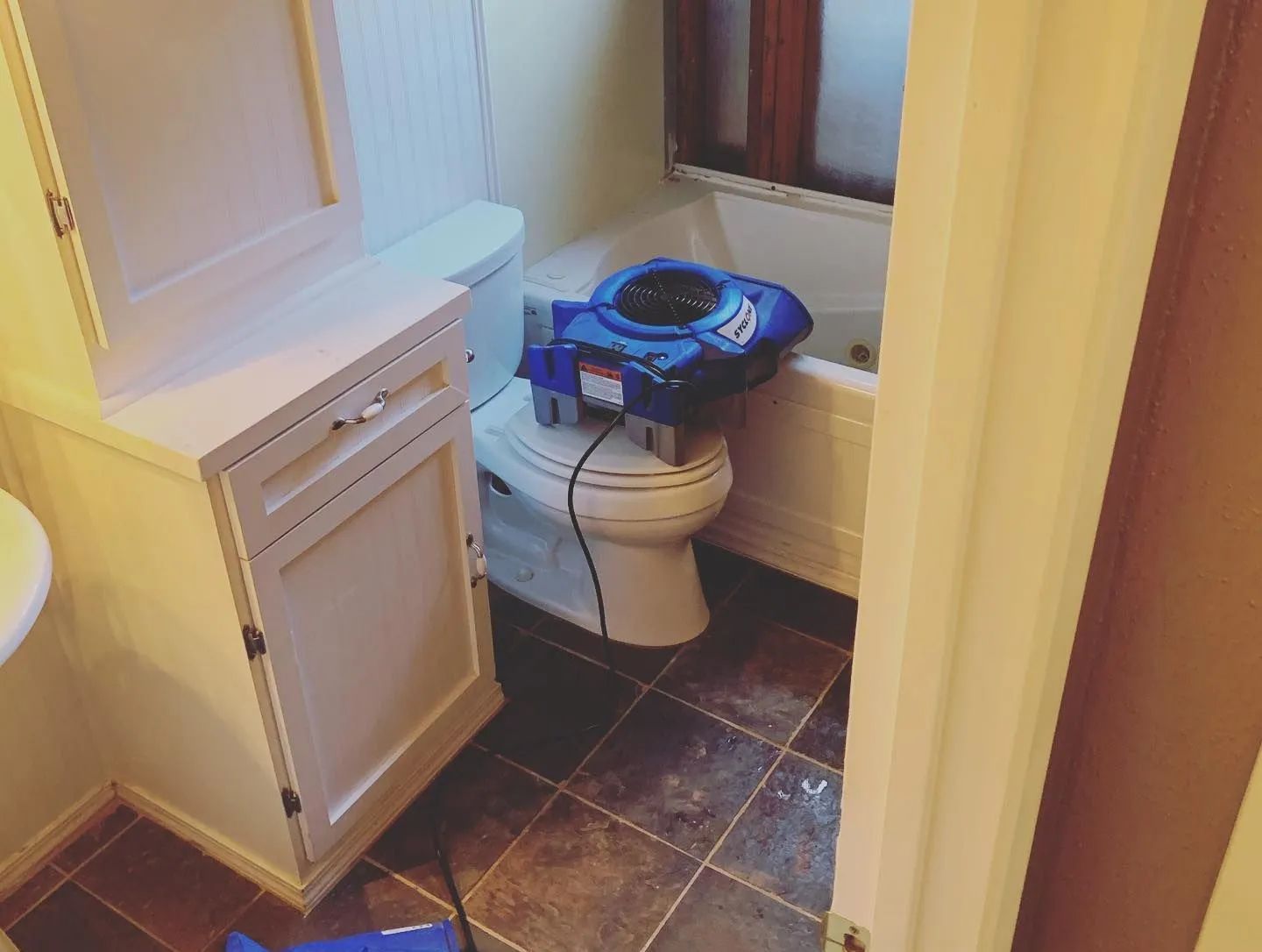
Proper ventilation helps dilute and remove contaminated air. Opening windows, using exhaust fans, and maintaining HVAC systems can significantly reduce indoor odors. In cases of severe odor contamination, advanced solutions such as air scrubbers may be required to continuously filter and clean the air.
Advanced Odor Neutralization Techniques
Technologies like ozone treatment and hydroxyl generators are commonly used in professional restoration. These methods alter the chemical structure of odor molecules, effectively neutralizing them rather than masking them. While highly effective, such treatments must be used carefully and typically require professional handling due to safety considerations.
4. Addressing Moisture and Mold-Related Odors
The Link Between Moisture and Odors
Moisture is one of the leading causes of persistent odors in homes. Damp conditions create an ideal environment for mold and mildew growth, both of which produce strong, unpleasant smells. Even minor water intrusion can lead to significant odor issues if not addressed promptly.
Mold Remediation and Prevention
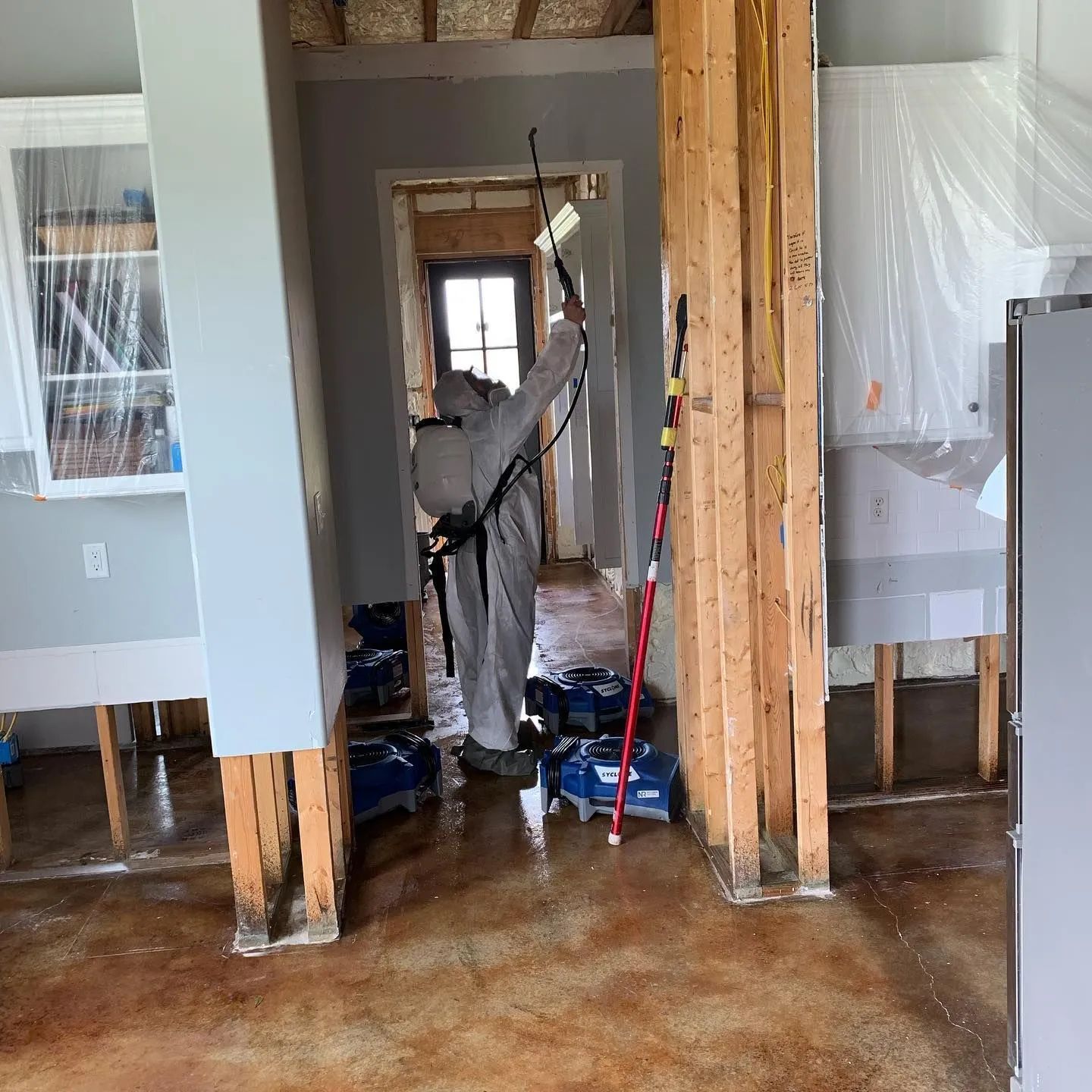
Removing mold requires more than surface cleaning. Contaminated materials may need to be removed and replaced, especially if mold has penetrated deeply. Proper containment, air filtration, and antimicrobial treatments are essential components of effective remediation.
Preventing Recurrence
Controlling humidity levels is key to preventing mold-related odors from returning. Dehumidifiers, proper ventilation, and timely repairs of leaks can significantly reduce the risk. For example, maintaining indoor humidity below 60% can inhibit mold growth and keep odors at bay.
Challenges in Moisture Control
Hidden moisture sources, such as condensation in HVAC systems or poorly sealed windows, can make prevention challenging. Regular inspections and maintenance are necessary to ensure long-term success.
5. Specialized Treatments for Stubborn Odors
Smoke and Fire Damage Odor Removal
Smoke odors are among the most difficult to eliminate due to their ability to penetrate deeply into materials. Soot particles can cling to walls, ceilings, and fabrics, requiring specialized cleaning and sealing techniques. Thermal fogging is often used to replicate the behavior of smoke, allowing deodorizing agents to reach affected areas.
Pet Odor Elimination
Pet-related odors, particularly urine, can seep into subflooring and require more than surface cleaning. Enzyme-based treatments and, in severe cases, material replacement may be necessary. Proper sealing of affected areas ensures that odors do not resurface over time.
Chemical and Cooking Odors
Strong cooking smells and chemical odors can accumulate in kitchens and storage areas. Degreasing surfaces, cleaning ventilation systems, and using odor-neutralizing agents help restore freshness. In some cases, repainting walls with odor-blocking primers may be required to fully eliminate lingering smells.
Expert Insight
The effectiveness of specialized treatments depends on selecting the right method for the specific odor type. Combining multiple techniques often yields the best results, particularly in cases involving layered or long-term odor exposure.
6. Long-Term Prevention and Maintenance
Establishing Preventive Habits
Odor removal is only part of the solution; prevention ensures that problems do not return. Regular cleaning, proper waste management, and routine maintenance of plumbing and HVAC systems play a crucial role in keeping homes odor-free.
Importance of Routine Inspections
Periodic inspections help identify potential issues before they escalate. Checking for leaks, monitoring humidity levels, and ensuring proper ventilation can prevent conditions that lead to odors. Early intervention reduces the need for extensive remediation.
Benefits of Professional Maintenance
Professional services provide a higher level of thoroughness and expertise. Scheduled deep cleaning and air quality assessments can detect and address hidden issues that may not be apparent during routine maintenance.
Real-World Application
A homeowner who implements regular HVAC maintenance and uses air purification systems is less likely to experience recurring odors. This proactive approach not only improves indoor air quality but also extends the lifespan of home systems and materials.
Dedicated Professionals Committed to Complete Odor Removal
Complete odor removal in homes requires a comprehensive approach that goes beyond surface cleaning. Identifying the source, applying deep cleaning techniques, improving air quality, and addressing moisture issues are all essential steps in achieving lasting results. Specialized treatments further enhance effectiveness when dealing with stubborn or deeply embedded odors. By combining these proven methods with consistent maintenance, homeowners can create a healthier and more comfortable living environment.
When it comes to complete odor removal, experience and precision make a measurable difference. At National Restore LLC, every project is approached with a focus on identifying root causes and delivering long-term solutions rather than temporary fixes. With over 15 years of experience in water damage restoration and mold remediation, advanced techniques are applied to eliminate odors caused by moisture, microbial growth, and environmental contamination. Serving homeowners in Foley and Gulf Shores, Alabama, services are designed to restore indoor environments to a clean, safe, and comfortable state.
A commitment to quality workmanship and industry best practices ensures that each step—from inspection to final treatment—is handled with care and accuracy. Using professional-grade equipment and proven restoration methods, even the most persistent odors are effectively addressed. The goal is not only to remove odors but also to prevent their recurrence by tackling the underlying issues. By choosing a knowledgeable and reliable partner, homeowners gain confidence that the job is done right the first time, creating lasting results and peace of mind.