Top Sanitization Practices to Keep Any Space Germ-Free
March 26, 2026
Maintaining a germ-free environment has become a top priority for homeowners, business operators, and facility managers across industries. From offices and schools to residential living areas and healthcare facilities, effective sanitization practices help reduce the spread of harmful microorganisms while supporting occupant health, safety, and productivity. As awareness of hygiene standards continues to grow, so does the need for structured, reliable, and science-backed cleaning protocols that address both visible dirt and invisible contaminants.
Beyond routine cleaning, proper sanitization involves strategic methods, advanced tools, and consistent maintenance routines. It requires understanding high-touch surfaces, choosing appropriate disinfectants, implementing airflow management, and training individuals on responsible hygiene behaviors. When executed correctly, these practices not only reduce infection risks but also extend the lifespan of building materials, improve indoor air quality, and create more welcoming environments. This blog explores practical sanitization techniques that can be applied to virtually any space, offering actionable insights and expert reasoning to help maintain a consistently germ-free setting.
Understanding the Difference Between Cleaning, Disinfecting, and Sanitizing
Why Terminology Matters in Hygiene Protocols
Many people use cleaning, disinfecting, and sanitizing interchangeably, but each term represents a different stage in the hygiene process. Cleaning removes visible debris and organic matter such as dust, food particles, and grime. Sanitizing reduces microbial populations to safe levels based on public health standards. Disinfecting goes further by eliminating many disease-causing pathogens on surfaces.
Recognizing these distinctions helps individuals choose the right methods for specific situations. For example, a residential kitchen may require routine sanitizing, while a medical clinic demands thorough disinfection.
Choosing the Right Process for Each Space
Effective sanitization begins with evaluating the environment’s risk level.
High-traffic areas, shared workspaces, and locations with vulnerable occupants require stricter protocols. A structured cleaning hierarchy ensures surfaces are properly prepared before applying sanitizing or disinfecting agents, improving overall effectiveness.
Avoiding Common Misconceptions
One widespread misconception is that stronger chemicals automatically provide better results. Overusing harsh disinfectants can damage surfaces and contribute to indoor air pollution. Proper product selection and application timing are more important than chemical strength alone.
Identifying High-Touch Zones and Priority Surfaces
Mapping Germ Transmission Pathways
High-touch surfaces play a critical role in germ transmission. Door handles, light switches, elevator buttons, desks, countertops, and electronic devices often accumulate microorganisms due to frequent contact from multiple users throughout the day. Identifying these hotspots allows cleaning teams to allocate resources strategically and prioritize sanitation efforts more effectively.
Establishing Cleaning Frequencies
Not all areas require the same level of attention in busy environments. High-touch zones may need sanitization multiple times daily, while low-traffic spaces can follow less frequent schedules without compromising hygiene standards. Developing tiered cleaning routines helps maintain hygiene while reducing unnecessary labor costs and improving overall operational efficiency.
Using Data and Observation
Facility managers increasingly rely on observation logs and occupancy data to optimize sanitization schedules across different departments and facility zones. For instance, monitoring peak usage times in office breakrooms or public restrooms helps determine when targeted interventions will have the greatest measurable impact.
Real-World Example
Consider a coworking space with rotating occupants throughout the workweek. Without frequent sanitization of shared desks and meeting equipment, microbial transfer can escalate rapidly between different users and teams. Implementing a visible cleaning schedule not only improves hygiene but also builds occupant confidence and reinforces professional workplace safety standards.
Selecting Effective Sanitization Tools and Products
Evaluating Disinfectant Performance
Not all sanitizing solutions are equally effective against bacteria, viruses, and fungi commonly found in shared environments. Choosing products approved for specific pathogens ensures better outcomes in maintaining consistent sanitation performance. Factors such as dwell time, compatibility with materials, and environmental safety must guide purchasing decisions to prevent surface damage.
Leveraging Advanced Equipment
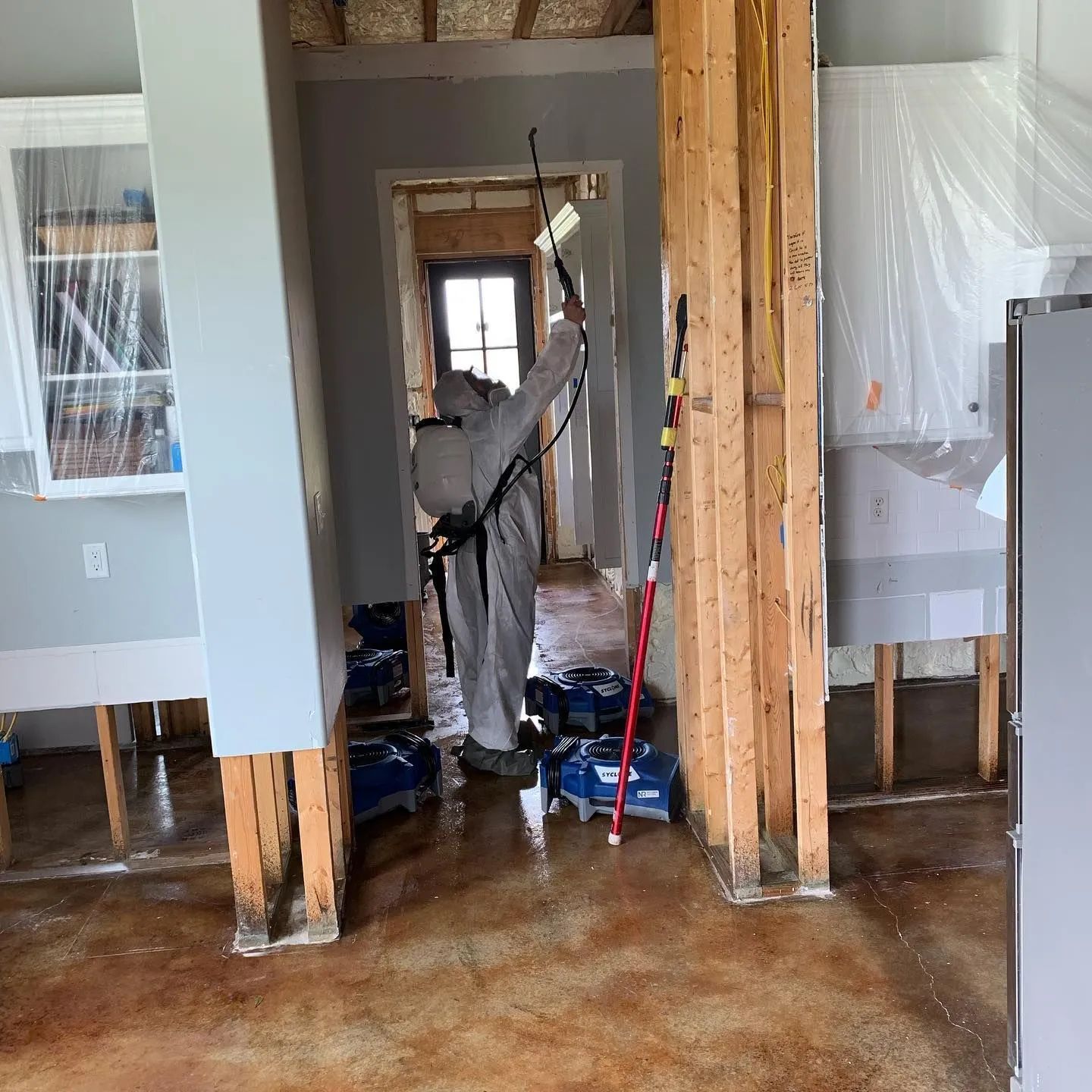
Modern sanitization tools can significantly improve coverage and efficiency in both residential and commercial cleaning operations. Electrostatic sprayers, microfiber systems, steam cleaners, and ultraviolet technologies help reach difficult surfaces and reduce manual workload significantly. However, proper training is essential to maximize benefits, ensure safe handling, and avoid costly misuse.
Signs of Mold Presence
Visible mold growth, discoloration, peeling paint, warped surfaces, and persistent musty odors are common indicators of a developing problem. Homeowners should not ignore subtle signs, as mold can progress quickly under favorable conditions and compromise both materials and health. Regular inspections ensure that even hidden growth is detected early, allowing for timely intervention.
Sustainability Considerations
Eco-friendly sanitization practices are gaining traction across industries seeking greener operational standards and long-term environmental responsibility. Low-toxicity formulations and reusable cleaning materials reduce environmental impact while maintaining hygiene standards and improving workplace safety. Organizations adopting sustainable protocols often experience enhanced brand perception, stronger compliance, and increased customer trust.
Balancing Cost and Quality
Budget constraints can influence sanitization strategies in facilities managing tight operational expenses and staffing resources. However, prioritizing quality products often leads to long-term savings through improved efficiency and fewer repeat applications. Inferior supplies may require repeated use, increasing labor time, surface wear, and overall maintenance costs significantly.
Implementing Structured Sanitization Protocols and Staff Training
Developing Standard Operating Procedures
A well-documented sanitization plan ensures consistency regardless of staff turnover, workload fluctuations, or unexpected operational disruptions. Standard operating procedures outline step-by-step tasks, product usage guidelines, and essential safety precautions for effective results. This clarity minimizes errors, strengthens accountability, and supports measurable improvements in sanitation program performance.
Training for Safety and Efficiency
Proper training equips cleaning personnel with knowledge about chemical handling, equipment operation, and cross-contamination prevention in dynamic working environments. For example, color-coded cloth systems help prevent transferring germs between restrooms, kitchens, communal spaces, and sensitive workplace areas. Continuous training programs also improve staff confidence, productivity, and adherence to established hygiene protocols.
Encouraging Personal Responsibility
Sanitization success depends not only on cleaning teams but also on occupants practicing responsible daily hygiene habits. Encouraging behaviors such as regular hand hygiene, desk decluttering, and responsible waste disposal reduces microbial buildup significantly. These simple actions help maintain cleaner environments between scheduled sanitization visits and support long-term facility health.
Overcoming Operational Challenges
Time constraints and staffing shortages can disrupt sanitization routines in facilities experiencing fluctuating occupancy or increased service demands. Organizations that adopt flexible scheduling, automation tools, and performance tracking systems maintain consistent hygiene standards more effectively. Strategic planning also helps minimize downtime, reduce stress on staff, and improve overall service quality.
Enhancing Indoor Air Quality Through Sanitization Practices
Understanding Airborne Contaminants
Surface cleaning alone cannot eliminate all germs present within enclosed indoor environments. Airborne particles carrying microorganisms can settle on surfaces or be inhaled by occupants, increasing potential health risks. Addressing ventilation and filtration systems is therefore an integral part of comprehensive sanitization and long-term indoor health management.
Maintaining HVAC Hygiene
Regular inspection and cleaning of ventilation components prevent dust accumulation, microbial growth, and airflow restrictions affecting system performance. Replacing filters according to manufacturer guidelines improves airflow efficiency, reduces indoor pollutant levels, and enhances occupant comfort. Proactive maintenance also extends equipment lifespan and supports consistent environmental control across different facility zones.
Integrating Natural Ventilation
Whenever feasible, opening windows and optimizing airflow pathways can dilute airborne contaminants effectively in enclosed or crowded areas. Natural ventilation is especially valuable in densely occupied spaces where mechanical systems may become overburdened or inefficient. Combining fresh air strategies with routine sanitization helps create healthier, more balanced indoor environments overall.
Monitoring Humidity Levels
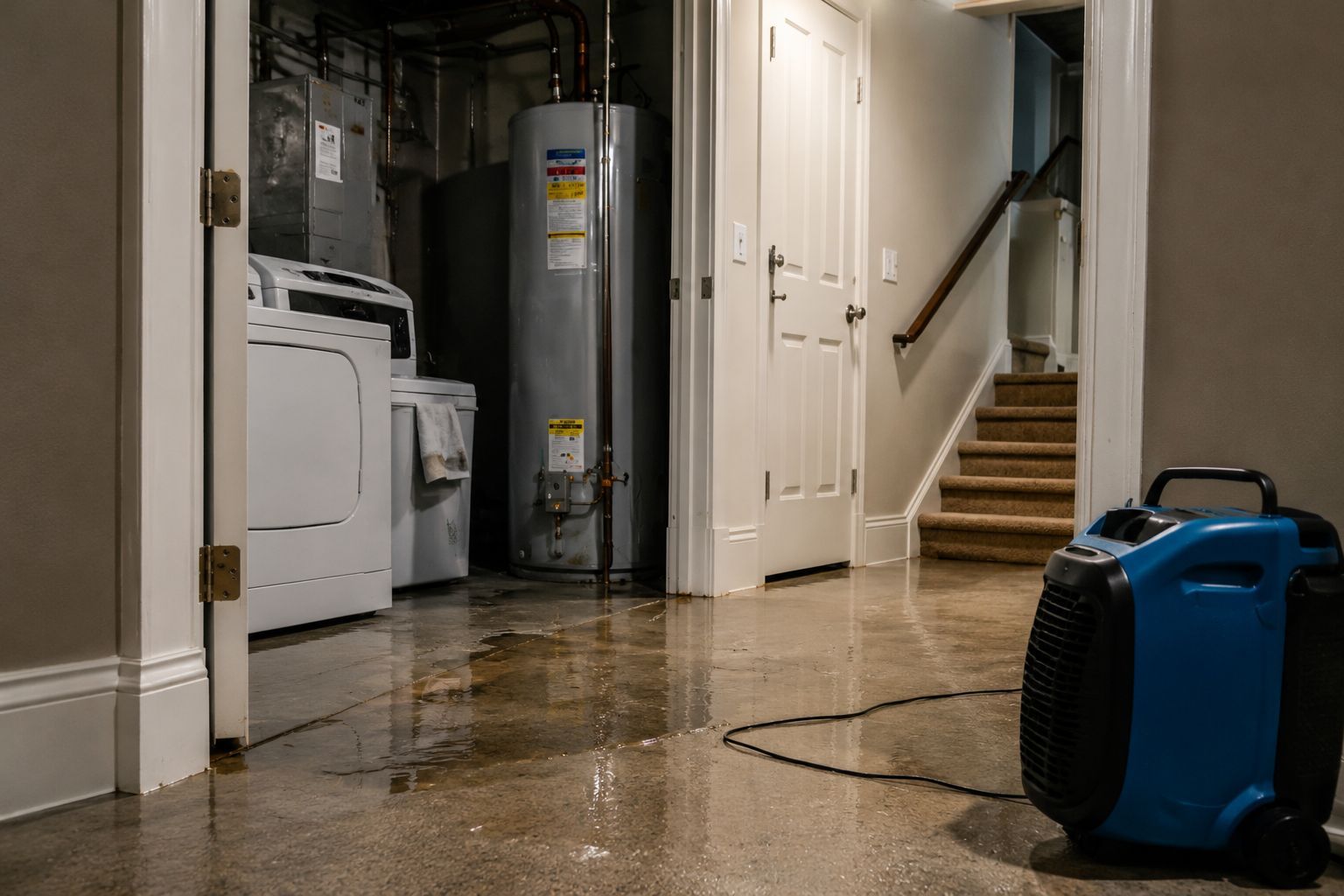
Excess moisture encourages mold growth and bacterial proliferation, particularly in poorly ventilated or water-affected environments. Maintaining balanced humidity levels helps preserve building materials while supporting occupant comfort and respiratory health. Using dehumidifiers, monitoring devices, and preventive inspections can significantly reduce contamination risks and structural damage.
Building a Long-Term Sanitization Culture
Creating Visible Hygiene Standards
Posting cleaning schedules, signage, and hygiene reminders reinforces organizational commitment to safety, transparency, and proactive risk management. Clear communication helps occupants feel reassured that consistent sanitization measures are actively maintained throughout the facility. Visible standards also encourage shared responsibility and greater cooperation from employees, visitors, and tenants.
Measuring Effectiveness
Routine audits, microbial testing, and feedback surveys provide valuable insights into sanitization performance across different operational areas. Data-driven improvements allow facilities to refine processes, address emerging risks, and optimize cleaning resource allocation. Continuous monitoring ensures hygiene strategies remain aligned with evolving health regulations and occupancy patterns.
Adapting to Changing Needs
Sanitization strategies must evolve with seasonal illnesses, occupancy shifts, regulatory updates, and emerging technological innovations. Continuous improvement ensures spaces remain resilient against future health challenges and operational uncertainties. Facilities that stay proactive can respond faster to outbreaks, minimize disruptions, and maintain occupant trust effectively.
Hidden Benefits of Consistent Sanitization
Beyond disease prevention, effective sanitization enhances employee morale, customer satisfaction, and long-term asset longevity significantly. Clean environments often experience reduced absenteeism, improved productivity, and stronger professional impressions among visitors. Maintaining hygiene standards also protects investments by reducing repair costs and supporting sustainable facility management practices
Proven Sanitization Partners Elevating Safety and Property Care
Maintaining germ-free environments requires more than occasional cleaning. It demands a strategic blend of proper terminology awareness, high-touch surface management, effective product selection, structured protocols, and air quality optimization. By adopting evidence-based sanitization practices, individuals and organizations can create safer, healthier spaces that support productivity and well-being. Long-term success depends on consistent execution, ongoing training, and a culture that values hygiene as a shared responsibility rather than a one-time task.
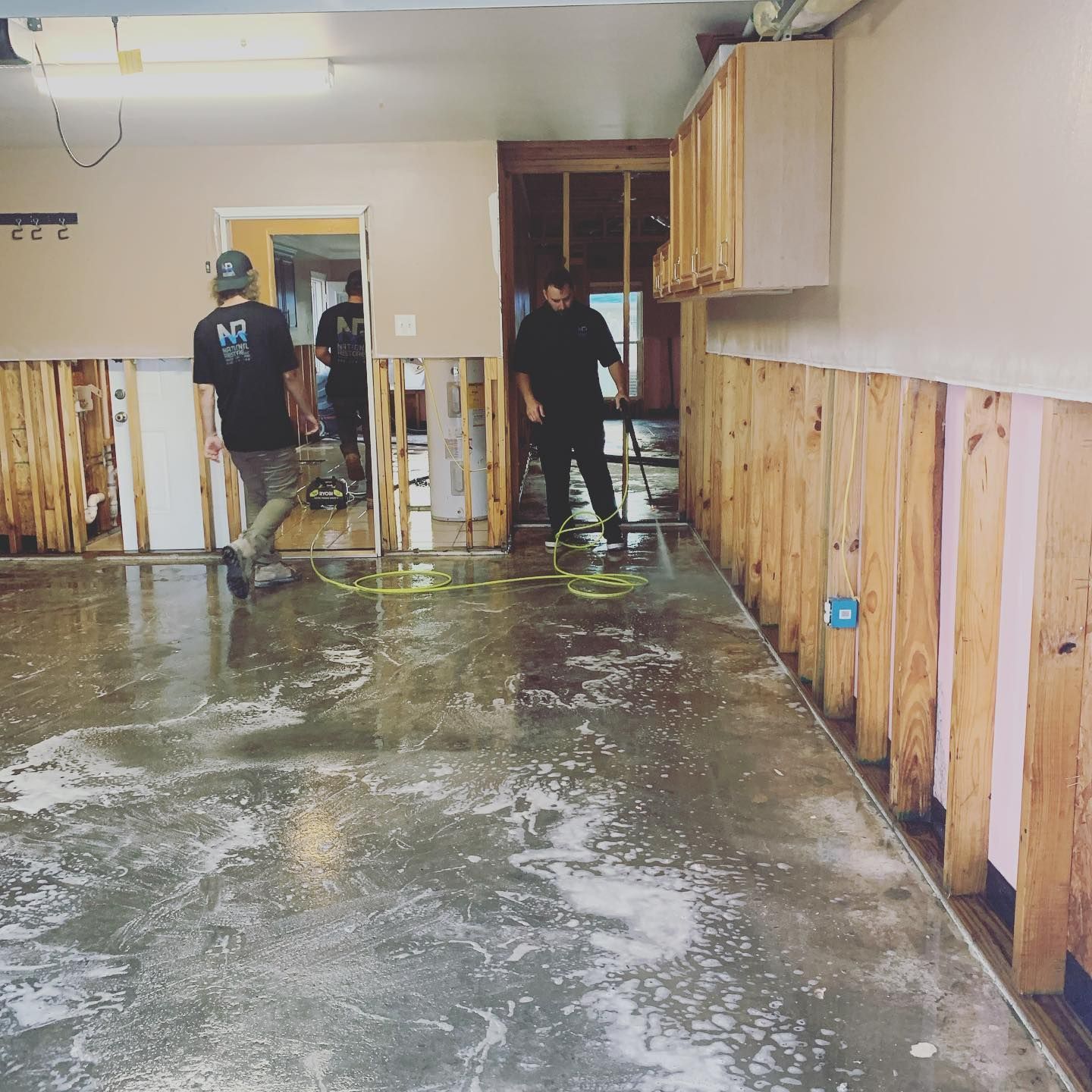
For property owners facing complex contamination challenges, professional expertise plays a crucial role in restoring safety and confidence. National Restore LLC
delivers comprehensive solutions in water damage and mold remediation and removal services across Foley and Gulf Shores, Alabama. With more than 15
years of hands-on industry experience, we combine advanced sanitization techniques, rapid response capabilities, and client-focused service standards. Their commitment to thorough assessment, effective treatment, and long-term prevention helps ensure environments remain clean, resilient, and truly germ-free.