Flood Cleanup Guide for Restoring Your Home After Disaster
May 12, 2026
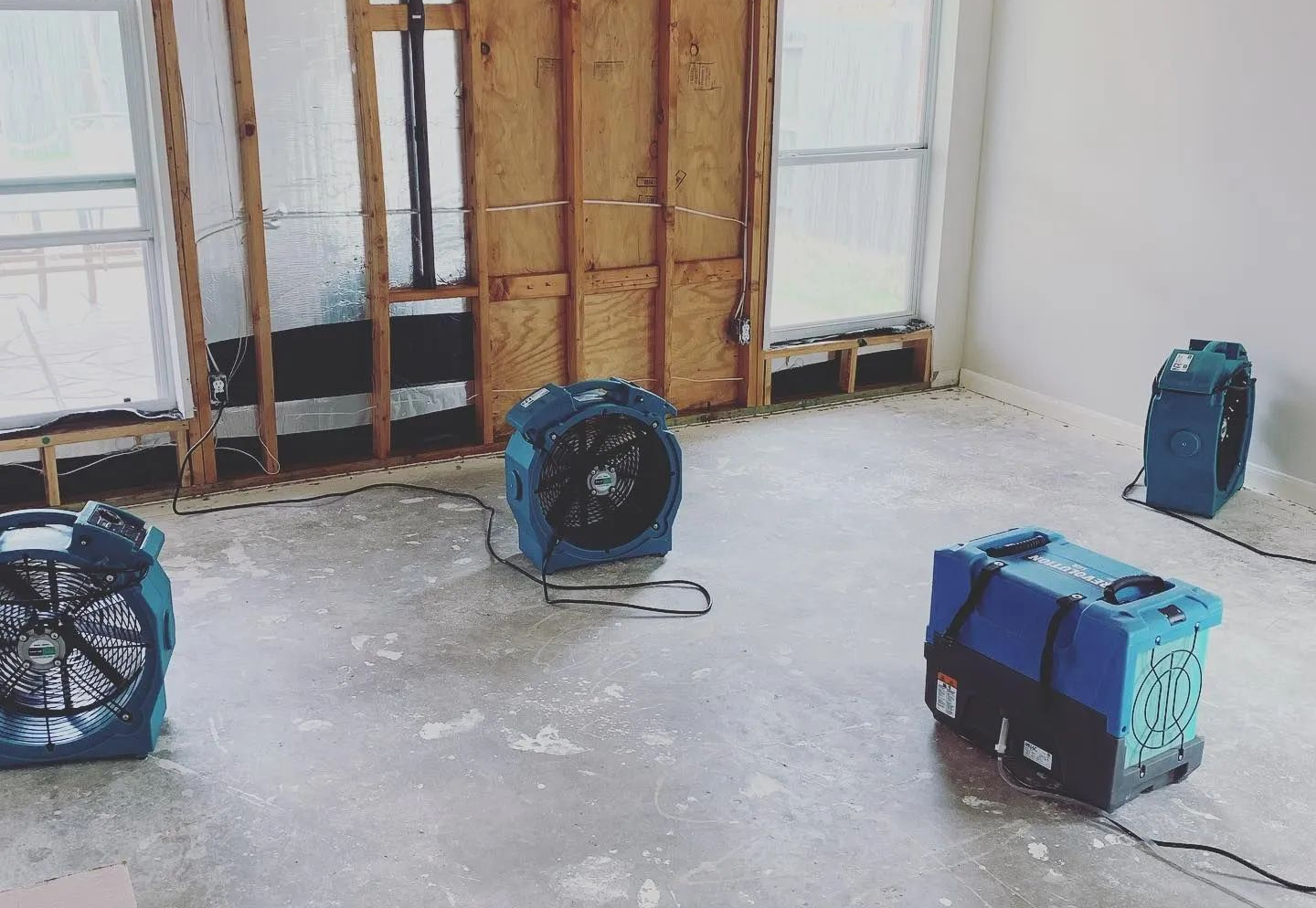
Flood damage can disrupt every part of a home, from structural stability to indoor air quality. Water intrusion often spreads quickly through flooring, drywall, insulation, furniture, and electrical systems, creating immediate safety concerns and long-term restoration challenges. Without proper cleanup procedures, moisture can remain hidden behind walls or beneath flooring, leading to mold growth, weakened materials, and costly repairs. Fast action combined with informed decision-making plays a major role in reducing damage and protecting property value after a flood event.
Professional flood cleanup involves far more than removing standing water. Effective restoration requires careful inspections, moisture mapping, sanitization, drying equipment, structural evaluation, and preventative measures that help avoid future issues. Severe weather events, plumbing failures, sewage backups, and storm surges continue to affect residential properties across many regions, increasing demand for reliable restoration practices. Homeowners who understand the restoration process can respond more efficiently during emergencies while making safer choices for long-term recovery. A structured cleanup plan not only supports faster restoration but also helps preserve health, improve safety, and restore normal living conditions after a disaster strikes unexpectedly.
Prioritizing Safety Before Flood Cleanup Begins
Assessing Immediate Hazards
Before entering a flooded home, safety must remain the highest priority. Floodwater can contain contaminants, electrical hazards, sharp debris, bacteria, and unstable structural materials. A quick inspection from outside the property often reveals visible concerns such as foundation cracks, sagging ceilings, or damaged roofing. Entering a compromised structure without proper evaluation increases the risk of injury and further property damage.
Electricity and gas systems require immediate attention after flooding. Power should remain off until a licensed professional confirms safe conditions. Water exposure around electrical outlets, appliances, or breaker panels creates severe hazards. Gas leaks, unusual odors, or damaged lines also require emergency service before cleanup starts.
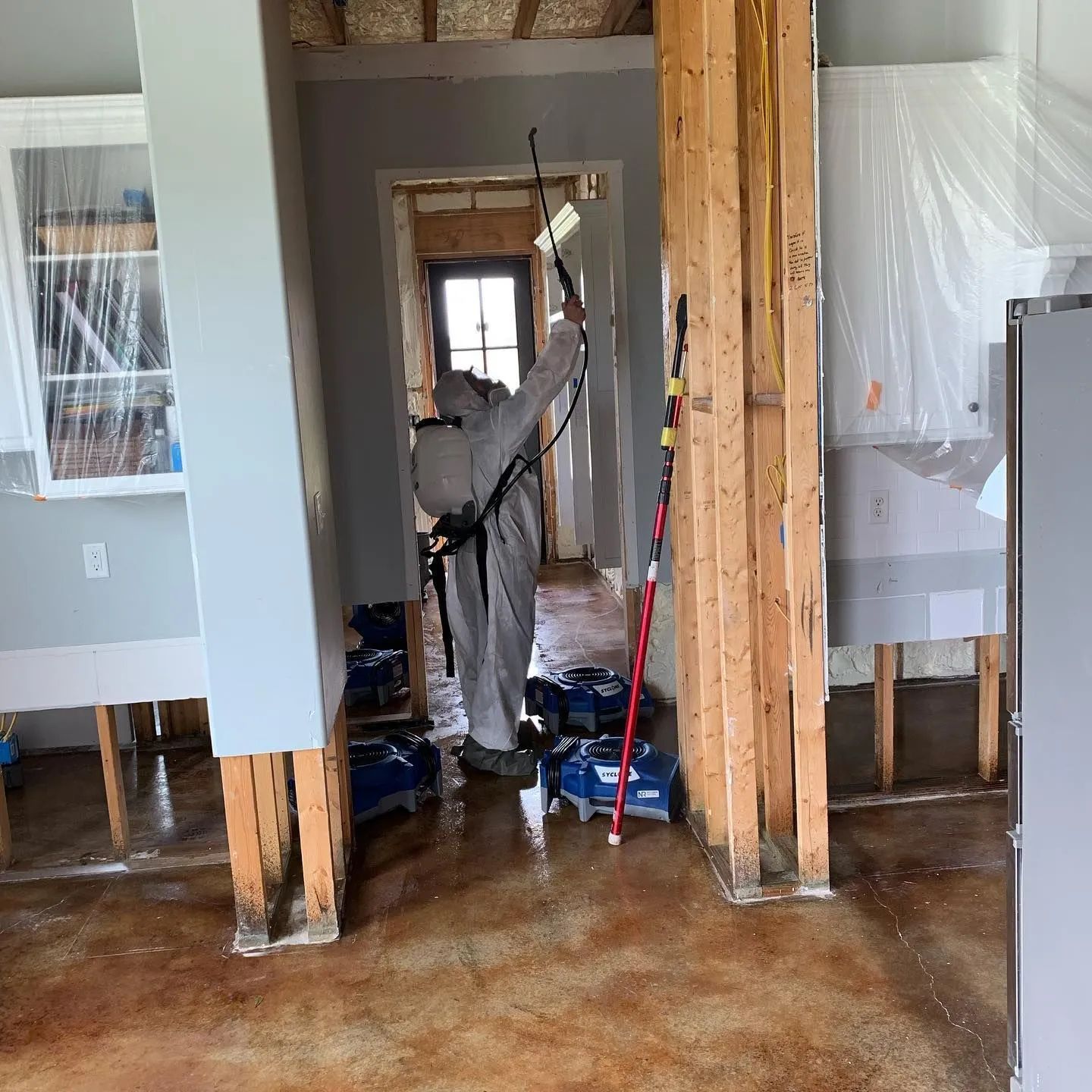
Protective gear supports safer cleanup conditions. Waterproof boots, gloves, respirators, eye protection, and disposable coveralls help reduce exposure to contaminants. Floodwater from sewage backups or storm runoff often contains bacteria, chemicals, and organic waste that affect indoor health conditions.
Documenting Damage for Insurance Purposes
Accurate documentation supports smoother insurance claims and repair planning. Photos and videos should capture every affected room before debris removal or demolition begins. Water lines on walls, damaged flooring, soaked belongings, and appliance damage all provide important records during claim evaluations.
Keeping receipts for emergency repairs, temporary lodging, drying equipment, and cleanup supplies also helps support reimbursement discussions. Organized records simplify communication with adjusters and contractors throughout restoration.
Creating a Restoration Timeline
Flood recovery becomes more manageable with a structured response plan. Immediate actions during the first twenty-four to forty-eight hours often determine overall restoration success. Priorities should include water extraction, moisture control, sanitization, and removal of unsalvageable materials.
A clear timeline also helps coordinate inspections, drying schedules, reconstruction planning, and contractor availability. Organized planning reduces delays and minimizes secondary damage across affected areas.
Removing Water and Controlling Moisture Effectively
Extracting Standing Water Quickly
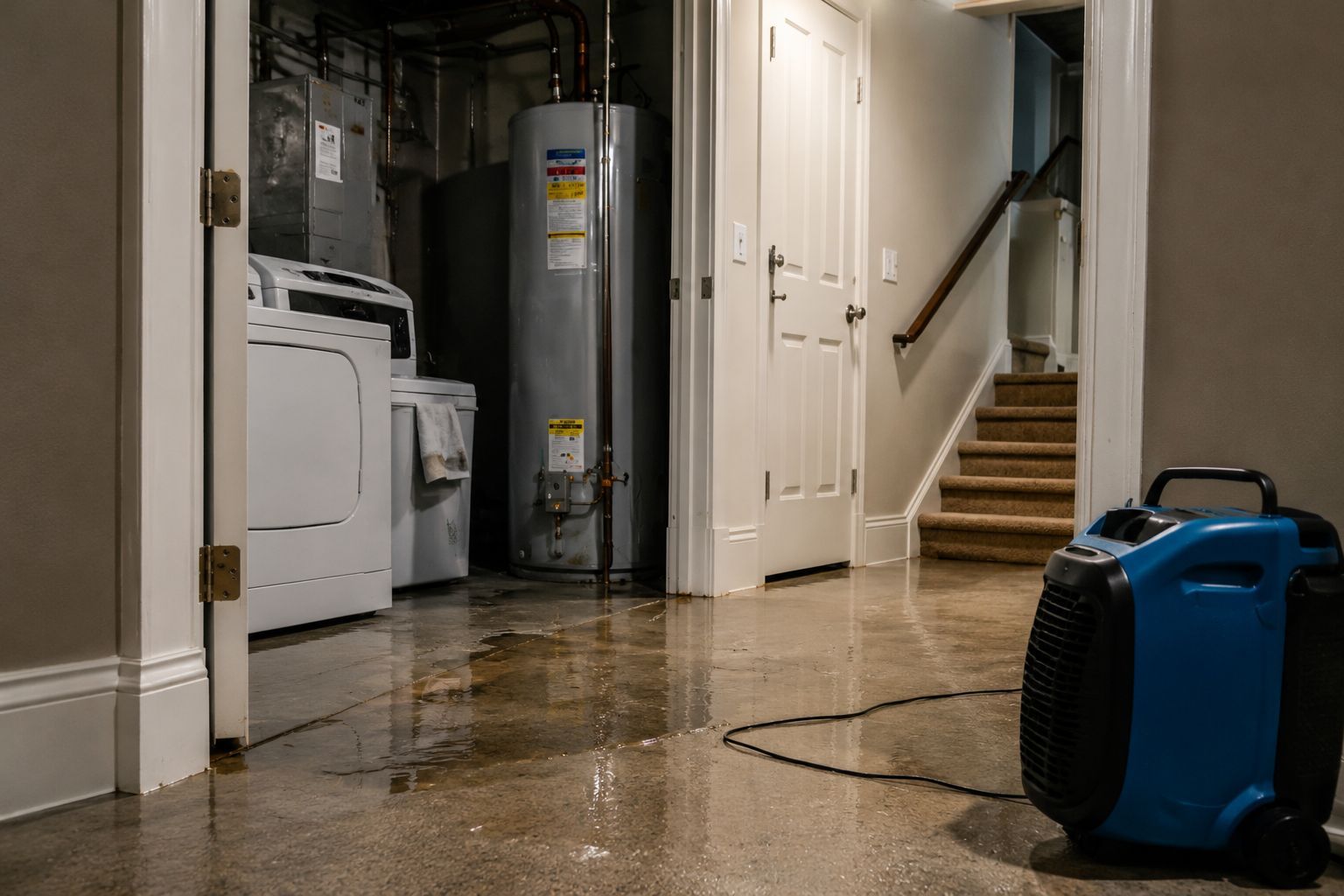
Fast water removal significantly reduces long-term structural damage. Pumps, wet vacuums, extraction machines, and professional-grade equipment help eliminate standing water efficiently. Even small amounts of trapped water beneath flooring or inside wall cavities can create major problems within days.
Professional extraction methods often target hidden moisture areas that standard household equipment cannot reach. Carpeting, subfloors, insulation, and cabinetry frequently retain water even after surfaces appear dry. Thorough extraction prevents unnecessary material deterioration and shortens overall restoration time.
Using Proper Drying Equipment
Drying a flooded property requires controlled airflow, humidity management, and continuous monitoring. Industrial air movers, dehumidifiers, and moisture meters play critical roles during restoration. High humidity levels allow moisture to linger inside walls, ceilings, and flooring systems long after visible water disappears.
Moisture mapping helps identify affected areas that require additional drying. Infrared cameras and moisture detection tools reveal hidden dampness behind surfaces, supporting more accurate restoration decisions.
One common real-world scenario involves hardwood flooring after minor flooding. Surfaces may appear stable initially, yet trapped moisture beneath boards can cause warping and separation weeks later. Proper drying equipment helps reduce that risk before permanent damage develops.
Preventing Secondary Damage
Secondary damage often becomes more expensive than the original flooding event. Lingering moisture can weaken drywall, corrode metal components, stain surfaces, and compromise insulation. Fast drying procedures reduce potential complications while improving overall restoration outcomes.
Ventilation also supports moisture control. Opening unaffected windows, improving airflow, and maintaining consistent drying conditions help stabilize indoor environments during recovery. However, outdoor humidity levels should remain under consideration because excessive external moisture can slow indoor drying efforts.
Cleaning, Sanitizing, and Restoring Indoor Surfaces
Understanding Contamination Levels
Floodwater categories vary depending on contamination sources. Clean water from supply lines creates lower health risks, while gray water and black water contain increasing levels of bacteria, chemicals, and hazardous materials. Sewage backups and storm flooding often require advanced sanitization procedures due to contamination concerns.
Surface cleaning alone rarely resolves contamination issues completely. Porous materials such as insulation, carpeting, upholstered furniture, and drywall often absorb bacteria and contaminants deeply. In many cases, removal and replacement provide safer restoration solutions.
Disinfecting Affected Areas
Proper sanitization helps restore safe living conditions after flooding. Antimicrobial treatments, disinfectants, and professional cleaning methods reduce bacterial growth across affected surfaces. Kitchens, bathrooms, laundry areas, and HVAC systems often require extra attention during cleanup.
Hard surfaces including tile, concrete, metal, and sealed wood generally respond well to professional cleaning procedures. However, restoration decisions should consider contamination severity, material condition, and long-term safety.
Air quality also requires close monitoring after flooding. Damp environments increase airborne particles, odors, and microbial growth risks. Air scrubbers and filtration systems help improve indoor conditions during restoration.
Salvaging Valuable Belongings
Flood recovery often includes difficult decisions regarding personal belongings. Electronics, photographs, documents, furniture, and sentimental items may remain salvageable depending on exposure duration and contamination levels.
Quick action improves restoration possibilities for valuable possessions. Freeze-drying methods sometimes help recover important documents and photographs after water exposure. Professional cleaning specialists can also restore certain furniture materials, textiles, and household contents using advanced drying and deodorization techniques.
Homeowners frequently underestimate hidden moisture inside furniture cushions, mattresses, and storage areas. Thorough evaluations help determine which items remain safe for continued use.
Addressing Mold Risks After Flood Damage
Why Mold Develops Rapidly
Mold growth often begins within twenty-four to forty-eight hours after water exposure. Warm temperatures, high humidity, and damp materials create ideal conditions for microbial growth throughout flooded homes. Even minor moisture pockets behind walls or under flooring can support rapid spread.
Mold affects both structural materials and indoor health conditions. Common symptoms linked to exposure include respiratory irritation, allergic reactions, headaches, and unpleasant odors. Long-term mold problems can also reduce property value and increase future repair costs.
Identifying Common Problem Areas
Several hidden locations frequently develop mold after flooding. Wall cavities, crawl spaces, attic insulation, HVAC systems, underlayment materials, and cabinetry often retain moisture long after visible surfaces dry.
A common restoration challenge involves moisture trapped beneath vinyl flooring. Surface materials may appear unaffected while hidden mold growth spreads underneath due to inadequate drying. Regular inspections and moisture testing help uncover hidden concerns before extensive contamination develops.
Mold Prevention Best Practices
Effective mold prevention begins with rapid drying and moisture removal. Maintaining indoor humidity below recommended levels reduces future microbial growth risks. Damaged drywall, insulation, and porous materials should receive immediate evaluation after flooding.
Routine inspections also support long-term prevention. Monitoring for musty odors, discoloration, peeling paint, or persistent dampness helps identify concerns early. Preventative maintenance around roofing, plumbing, drainage systems, and ventilation areas further reduces future moisture intrusion.
Professional remediation becomes necessary when mold spreads extensively across structural materials or HVAC systems. Advanced containment procedures help prevent cross-contamination during cleanup.
Professional Water Restoration Support for Complete Property Recovery
Flood cleanup requires far more than surface-level repairs. Effective restoration depends on rapid response, proper drying methods, contamination control, structural inspections, and long-term prevention planning. Every stage of recovery plays a critical role in protecting indoor safety, preserving structural stability, and reducing future repair costs. Delays during cleanup often allow hidden moisture, mold growth, and material deterioration to spread throughout the property. A well-organized restoration strategy helps homeowners navigate stressful situations with greater confidence and efficiency. Professional guidance, accurate damage assessments, and advanced restoration equipment support safer recovery outcomes after flooding events. From water extraction to rebuilding efforts, every decision influences the long-term condition of the home.
At National Restore LLC, we understand how overwhelming flood damage can become for homeowners across Foley and Gulf Shores, Alabama. With more than 15
years of experience in water damage and mold remediation and removal services, we provide dependable restoration solutions designed to restore safety, comfort, and property value. Our approach focuses on detailed inspections, advanced moisture control, professional cleanup procedures, and long-term prevention strategies that support complete recovery after disaster strikes. We prioritize clear communication, fast response times, and high-quality workmanship throughout every stage of restoration. Our knowledge of flood cleanup, structural drying, mold prevention, and property restoration allows us to deliver reliable support during urgent situations. From emergency water extraction to full restoration planning, we remain committed to helping homeowners recover efficiently and safely. When severe water damage affects a property, our experience, professionalism, and restoration expertise provide dependable guidance for lasting results.