Vacation Rental Odor Removal in Foley & Gulf Shores: Why the Smell Keeps Coming Back
September 21, 2026
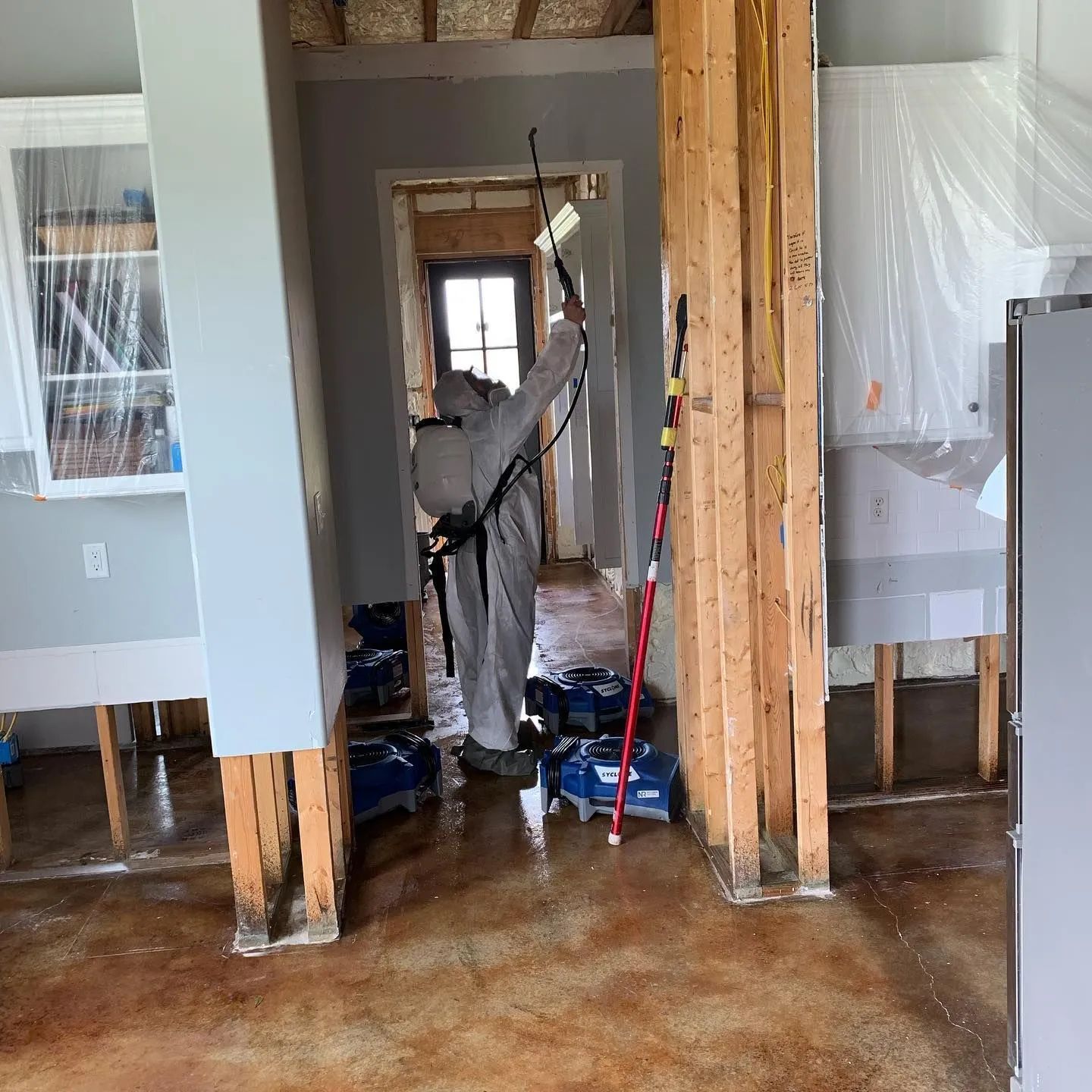
Quick Answer: Vacation rentals along the Alabama Gulf Coast develop odor problems faster than typical homes because closed-up units, cycling air conditioning, and back-to-back guest turnovers trap moisture that can push indoor humidity past the 60% ceiling the EPA recommends for mold control. A quick spray from housekeeping or a scented plug-in covers the smell for a night or two, then it returns as soon as the unit sits closed again. Professional deodorization finds the actual source, whether that's a musty HVAC system, a mildewed closet, or moisture trapped in soft furnishings, and treats it with EPA-registered products and equipment scheduled around checkout and check-in windows. National Restore LLC provides this service throughout Foley, Gulf Shores, Orange Beach, Bon Secour, and Elberta, Alabama, with 24/7 availability for owners and property managers who cannot afford a delayed turnover.
A cleaning crew finishes a two-hour turnover on a beachfront condo in Gulf Shores. Fresh towels are folded, the floors are mopped, the trash is out. The next guest walks in and catches a stale, damp smell within a few minutes of setting down their bags. That isn't a cleaning problem. It's a moisture and odor problem that a standard turnover was never built to solve, and on the Alabama coast, it shows up more often than owners expect.
Short-term rental properties near the water carry a different odor load than a typical single-family home. They sit closed up for stretches between bookings, run air conditioning on a schedule instead of continuously, and cycle through new occupants who leave behind wet swimsuits, sunscreen, sand-tracked carpets, and the occasional forgotten load of laundry. Add Gulf Coast humidity to that mix and a property can develop a musty baseline smell that guests notice before they notice the ocean view.
Stop the water supply first
When a pipe bursts, your first priority is stopping the flow. Turn off the fixture valve if the leak is isolated. If you cannot locate it quickly or the break is hidden, shut off the home’s main water supply immediately.
Why Coastal Rentals Fight Odors Harder Than Other Homes
Humidity Does Most Of The Damage
Relative humidity along the Alabama coast regularly sits well above the 30% to 50% range the EPA considers ideal for indoor air, and it can climb past 60% inside a unit where the air conditioning has been set back or shut off between guests. That extra moisture settles into carpet padding, closet interiors, and HVAC ductwork, giving mold and mildew exactly the conditions they need to establish themselves and start producing odor.
Closed-Up Cycles Trap What Guests Leave Behind
A home occupied by the same family every day gets aired out constantly, doors open, windows cracked, people moving through the space. A rental unit between bookings often sits sealed for a day or more, holding in whatever moisture, cooking smell, or damp towel got left behind at checkout.
Turnaround Windows Leave No Time For Real Treatment
A same-day turnover typically runs two to four hours, and that time is already committed to cleaning, laundry, and restocking. There is rarely room in that window for the kind of source-level odor treatment a musty HVAC system or a mildewed closet actually needs.
Common Causes of Sewage Backup
Recognizing these causes also reinforces the importance of not treating a sewage backup as a simple plumbing inconvenience. It is a health emergency that requires structured intervention.
Where the Smell Is Actually Coming From
Most odor complaints in coastal rentals trace back to a short list of recurring sources.
HVAC Systems That Never Get Cleaned Between Tenants
Air handlers and ductwork pull in humid coastal air every time the system cycles, and condensation inside the unit creates a breeding ground for the musty smell guests describe as "the AC smell." Because the system runs on a schedule instead of continuously, moisture has more time to sit before it dries out.
Bathrooms And Laundry Closets With Limited Airflow
Many beach condos and cottages have compact bathrooms and stacked washer-dryer closets with little to no ventilation. Wet towels or a forgotten swimsuit left in a hamper for even a day can produce a mildew smell that lingers well past the next cleaning.
Soft Furnishings That Absorb Rather Than Release Odor
Carpet, upholstered furniture, and mattresses are porous. Cooking smells, sunscreen, and general guest traffic build up in these materials over dozens of stays, and surface cleaning alone does not reach what has soaked in.
Storage Closets And Under-Sink Cabinets
These small, enclosed spaces trap humidity and rarely get opened during a standard turnover, which makes them a common spot for a musty smell to originate even when the rest of the unit looks and smells clean.
Common Causes of Sewage Backup
Recognizing these causes also reinforces the importance of not treating a sewage backup as a simple plumbing inconvenience. It is a health emergency that requires structured intervention.
Why Retail Sprays and Air Fresheners Don't Hold
Air fresheners work by covering one smell with a stronger one. They don't remove the compound causing the odor, so once the fragrance fades, the original smell is still there, sometimes stronger, because moisture has continued building in the background. For a property that turns over every few days, that means the smell returns on almost every guest's first night, which is exactly when a bad review gets written.
Deodorization that actually works targets the source. That can mean pulling and cleaning HVAC components, treating carpet padding and upholstery with enzyme-based solutions that break down odor-causing organic matter rather than mask it, or drying out and treating a closet or cabinet where humidity has been sitting unaddressed.
Professional odor removal and deodorization is built around finding that source first.
Tip: If guests consistently mention a musty smell in reviews even after a thorough cleaning, the source is almost always the HVAC system, a closet, or something absorbed into carpet or upholstery, not the visible surfaces housekeeping already handles.
Common Causes of Sewage Backup
Recognizing these causes also reinforces the importance of not treating a sewage backup as a simple plumbing inconvenience. It is a health emergency that requires structured intervention.
Scheduling Treatment Around Bookings
The biggest practical difference between odor removal in a private home and odor removal in a rental unit is timing. A homeowner can treat their house whenever it's convenient. A property manager has to fit treatment into the gap between one guest's checkout and the next guest's check-in, which is often measured in hours, not days.
Some deodorization methods are better suited to that constraint than others. Enzymatic treatments, HVAC and duct cleaning, and targeted spot treatment of carpet or upholstery can typically be completed and fully dry within a normal turnover window. Ozone treatment, one of the more aggressive tools available for stubborn or deeply set odors, is different: it requires the space to be unoccupied during and immediately after treatment, since breathing ozone at the concentrations needed to be effective can irritate the lungs and worsen conditions like asthma. The EPA has been direct that no federal agency has approved ozone generators for use in occupied spaces, which is why a professional crew will schedule that kind of treatment for a gap between bookings rather than a same-day turnover.
Warning: Ozone generators marketed as consumer air cleaners are not approved for use in occupied rooms. If a unit needs ozone-level treatment for a deeply embedded odor, plan for the property to sit empty during and for a period after the treatment, and let a trained technician handle it.
Common Causes of Sewage Backup
Recognizing these causes also reinforces the importance of not treating a sewage backup as a simple plumbing inconvenience. It is a health emergency that requires structured intervention.
Keeping the Smell From Coming Back
Odor removal that isn't paired with humidity control tends to be temporary. A few habits keep results in place between professional visits.
Keep The AC Running, Even Between Bookings
Setting the thermostat back a few degrees instead of shutting the system off entirely keeps humidity from climbing while the unit sits empty.
Check Under-Sink Cabinets And Closets During Turnover
A quick look for dampness or a musty smell during cleaning catches small problems before they spread.
Have HVAC Systems Serviced On A Set Schedule
Coastal air conditioning systems work harder and collect more condensation than systems in drier climates, and routine service keeps ductwork from becoming an odor source. National Restore LLC also handles mold inspection and testing for owners who want to confirm whether a musty smell is moisture alone or has already progressed to mold growth.
Address Water Intrusion Immediately
A slow leak under a sink or around a window in a coastal property can saturate materials within days given the ambient humidity already in the air. Fast drying limits how far an odor spreads before it's noticed.
Frequently Asked Questions
How do I get rid of a musty smell in my Gulf Shores rental between guests?
Identify whether the smell comes from the HVAC system, a closet, or soft furnishings like carpet and upholstery, since each needs different treatment. A deodorization visit using enzyme-based treatments fits within a normal turnover window.
Is ozone treatment safe to use in an occupied vacation rental?
No. Ozone at the concentrations needed to neutralize odor can irritate the lungs and isn't approved for occupied spaces. It should be used when the property sits empty, scheduled between bookings rather than during turnover.
How often should a rental property's HVAC system be cleaned to prevent odor?
Coastal properties need more frequent HVAC service than drier-climate homes, since the system pulls in humid air on a cycling schedule. An annual inspection is a reasonable baseline, though heavy booking volume needs more attention.
Can odor removal be scheduled during a same-day turnover?
Many treatments can. Enzymatic carpet and upholstery treatment, spot cleaning, and duct servicing are typically dry and fit within a two to four hour turnover window. Deeper treatments for severe odors need more scheduling time.
Why does my beach condo smell musty even though the air conditioning runs constantly?
A running AC doesn't guarantee safe indoor humidity, especially if the thermostat is set back between guests or the ductwork has accumulated moisture over time. The system could be circulating odor instead of resolving it.
Does a lingering odor actually affect guest reviews?
Smell is one of the first things guests notice, and a musty unit is a frequent complaint even when the stay went well otherwise. Addressing it early at the source removes a common negative-review trigger.
Common Causes of Sewage Backup
Recognizing these causes also reinforces the importance of not treating a sewage backup as a simple plumbing inconvenience. It is a health emergency that requires structured intervention.
Lasting Odor Control Keeps Coastal Rentals Guest-Ready
A vacation rental only gets one first impression with each guest, and a musty smell erases it before anyone unpacks. Coastal humidity, closed-up cycles between bookings, and short turnover windows all push in the same direction, letting moisture settle into HVAC systems, closets, and soft furnishings faster than a standard cleaning can catch. Covering that smell with a spray buys a night, not a solution. Treating the source is what keeps a property smelling the way guests expect the moment they arrive.
National Restore LLC
brings 15
years of restoration experience to vacation rentals across Foley and Gulf Shores, AL, working around booking calendars instead of against them. Property managers get treatment scheduled for the gap between checkout and check-in, so a unit stays bookable while the underlying moisture problem gets resolved rather than simply masked for a night. That approach protects reviews, protects bookings, and gives owners and property managers one less thing to worry about between guests.