Sewage Backing Up Into the Home? Why It's a Job for Specialized Cleanup
October 15, 2026
Quick Answer: Sewage backing into your home is classified as contaminated water, which means it carries bacteria and other organisms that ordinary cleaning does not reliably remove. The safe first moves are to stay out of the affected area, keep children and pets away, stop using water fixtures, and call a professional. Specialized cleanup removes the water, discards materials that cannot be made sanitary, disinfects what remains, dries the structure, and checks the plumbing cause so it does not happen again.
It is a quiet evening, and then you hear a gurgle from the shower drain. A few minutes later, dark water is rising around the base of a toilet, or spreading from the floor drain in the laundry room. The smell reaches the rest of the house almost immediately. Your first instinct is to grab towels and a mop, and maybe a bottle of bleach, and get it under control before it spreads any further.
That instinct is understandable, and it is also the one worth pausing on. Sewage is not the same as water from a burst supply line or an overflowing sink. It is handled by a different set of rules, different equipment, and a different level of caution. Knowing why makes the next hour much easier to manage.
Stop the water supply first
When a pipe bursts, your first priority is stopping the flow. Turn off the fixture valve if the leak is isolated. If you cannot locate it quickly or the break is hidden, shut off the home’s main water supply immediately.
Why Sewage Is Treated Differently From Other Water
Restoration professionals sort water damage into categories based on how clean the source is. A broken supply line starts as clean drinking water. Water from a washing machine or dishwasher is a step down. Sewage sits at the far end of that scale, and it is generally treated as grossly contaminated no matter how clear or dark it looks.
The reason is what travels in it. Wastewater can carry bacteria, viruses, and parasites, along with whatever else was in the pipe. You cannot judge the risk by eye, and the amount of time it has been in the house matters too. The longer contaminated water sits in contact with materials, the further it travels into them, and the more of the house ends up involved.
This is the core reason the work is considered specialized. The goal is not simply to get the house dry. The goal is to return it to a sanitary condition, and that takes a process built for exactly that problem.
Common Causes of Sewage Backup
Recognizing these causes also reinforces the importance of not treating a sewage backup as a simple plumbing inconvenience. It is a health emergency that requires structured intervention.
Why Mopping and Bleach Fall Short
A mop and a bucket move sewage around. They do not remove what soaked into the porous parts of your home, and they put the person doing the mopping in direct contact with the contamination. Bleach is not a fix either. It works on hard, nonporous surfaces when used correctly, but it does not reach into carpet padding, drywall, or the wood under a floor, and it has its own hazards. Public health guidance is clear that bleach should never be mixed with ammonia or other cleaners, and it should never be used in a closed space.
The deeper issue is absorption. Drywall, insulation, carpet, padding, and the subfloor all behave like sponges. Once sewage has wicked into them, surface cleaning only treats the part you can see. That is why a room can look clean and still smell, and why the smell often returns on a humid day.
Tip: If you only remember one thing from this article, make it this. Do not run the vacuum you use for everyday cleaning on sewage. A household vacuum is not built for liquid contamination, and it can spread droplets through the air and through the machine itself.
Common Causes of Sewage Backup
Recognizing these causes also reinforces the importance of not treating a sewage backup as a simple plumbing inconvenience. It is a health emergency that requires structured intervention.
What to Do in the First Hour
Calm, simple steps matter most right now. You do not have to solve everything before help arrives.
First, keep people and pets out of the affected area. Public health guidance recommends keeping children and pets away until cleanup is finished, and that is a good rule for the whole home if the backup is widespread.
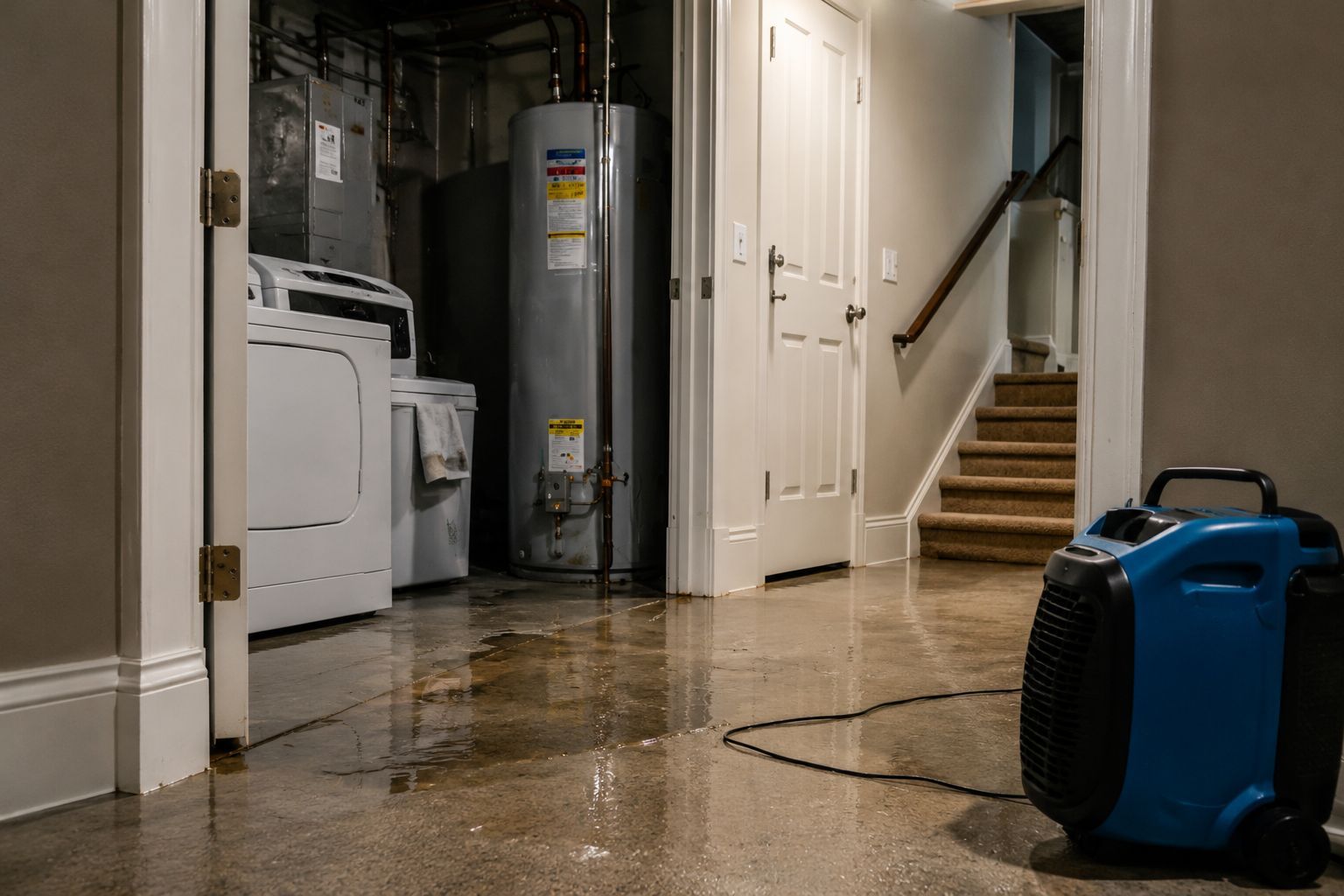
Second, stop adding water to the system. Hold off on flushing toilets, running the dishwasher, doing laundry, and taking showers. Every gallon you send down the line has a chance of coming back up through the lowest drain in the house.
Third, if the water is touching outlets, appliances, or the electrical panel, stay clear and shut off power only if you can do it safely from a dry spot. If you cannot reach the breaker without stepping through the water, leave it and tell the responding crew when they arrive.
Fourth, take photos of the affected area from a safe distance. Photos help the crew understand the scope quickly. Questions about coverage belong with your insurance company, and your insurer can tell you what to document on your side.
Fifth, open windows if it is safe to do so and the weather allows, and call a restoration company that works with sewage every day. Do not wait to see whether it drains on its own.
Warning: Do not wade through standing sewage in bare feet or shorts, and do not try to move heavy soaked items alone. Cuts and scrapes are a particular concern around contaminated water, so keep your skin covered and wash thoroughly with soap and water if you have contact. If you feel unwell afterward, talk to your doctor.
Common Causes of Sewage Backup
Recognizing these causes also reinforces the importance of not treating a sewage backup as a simple plumbing inconvenience. It is a health emergency that requires structured intervention.
How Specialized Sewage Cleanup Works
Every job is different, but a professional sewage cleanup tends to follow a clear sequence. Each step exists for a reason, and skipping one usually shows up later as a lingering odor or a damp spot.
Containment and Protective Equipment
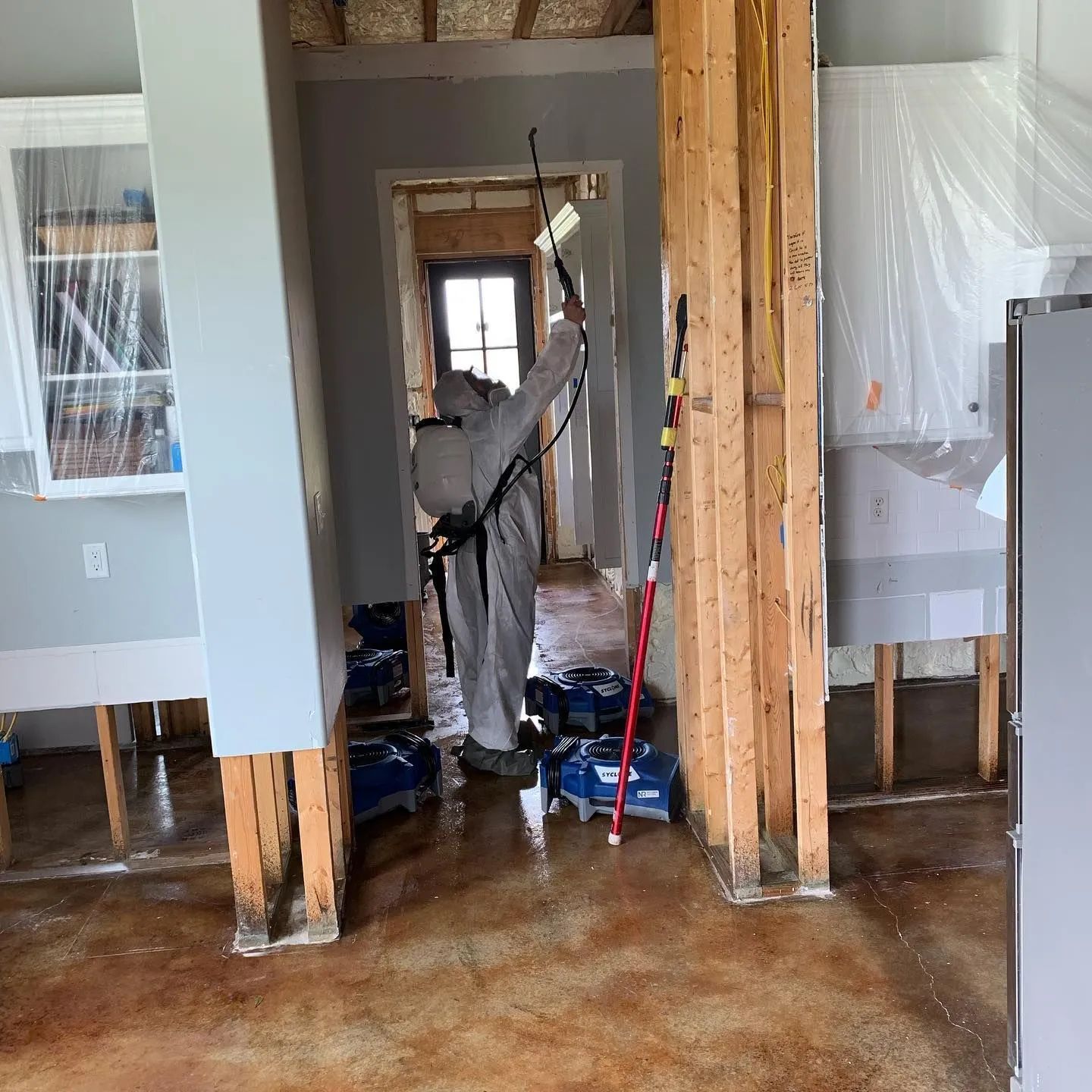
Before anyone starts working, the crew protects themselves and the rest of your home. That means protective suits, gloves, boots, and respiratory protection, along with barriers or sealed doorways where needed so contamination is not tracked into clean rooms.
Water Removal
Industrial pumps and extraction units remove standing water far faster than towels ever could. Fast removal limits how much of the house the water can reach and how deeply it soaks in.
Removing What Cannot Be Made Sanitary
This is the step that surprises many homeowners. Porous materials that have been in contact with sewage, such as carpet, padding, soaked insulation, and low sections of drywall, are usually cut out and discarded rather than cleaned. Public health guidance says the same thing in plain terms: throw away items you cannot clean and dry quickly. It can feel drastic, but pulling out the contaminated material is what lets the rest of the structure be treated properly.
Cleaning and Disinfecting
Once the bulk material is gone, hard surfaces and framing are cleaned and treated with products suited to the job. Professionals work methodically through floors, wall cavities, baseboards, and anything else the water touched, rather than just wiping what is visible.
Odor Control
Sewage odor lives in materials and in the air. Deodorizing treatments and air scrubbers work on both. An odor that is only covered up tends to come back, so the aim is to remove the source of it.
Structural Drying and Monitoring
After cleaning, the structure still holds moisture. Air movers and dehumidifiers dry the area, and moisture readings confirm when materials have actually reached normal levels. This matters a great deal in a damp climate, because lingering moisture is exactly what lets mold take hold.
Finding the Cause
A backup always comes from somewhere. It might be a clogged sewer line, a blocked drain, a broken pipe, or a municipal line that is overwhelmed. A good job includes figuring out which one, so you know whether a plumber or the utility needs to be involved before the line is used again.
Repair and Rebuild
Finally, the materials that were removed are repaired or replaced. For some homes that is a small patch of drywall and new flooring. For others it is a larger rebuild, which is where having one team handle both cleanup and repair keeps things moving.
Common Causes of Sewage Backup
Recognizing these causes also reinforces the importance of not treating a sewage backup as a simple plumbing inconvenience. It is a health emergency that requires structured intervention.
Why Gulf Coast Homes Face Extra Challenges
Along the Alabama Gulf Coast, a sewage backup rarely arrives on a calm, dry day. Heavy summer downpours and tropical systems can overload sewer lines and send water back up through the lowest drains. In low lying neighborhoods around Foley, Gulf Shores, Orange Beach, Fairhope, and Daphne, a wet stretch can saturate the ground and stress both municipal lines and private septic systems at the same time.
Humidity changes the timeline too. In a home that already holds a lot of moisture in the air, wet materials dry slowly, and the window for catching mold growth is short. Public health guidance suggests aiming to clean and dry a home within 24 to 48 hours after a water event, and in this climate that window is worth taking seriously.
Many coastal homes also sit on slab foundations, pier and beam construction, or have crawlspaces, and each one handles a backup differently. Water can run under flooring, collect beneath a raised floor, or settle where you cannot see it. A crew experienced with local construction knows where to look.
Common Causes of Sewage Backup
Recognizing these causes also reinforces the importance of not treating a sewage backup as a simple plumbing inconvenience. It is a health emergency that requires structured intervention.
What Not to Do While You Wait
A few well meant habits can make the situation harder.
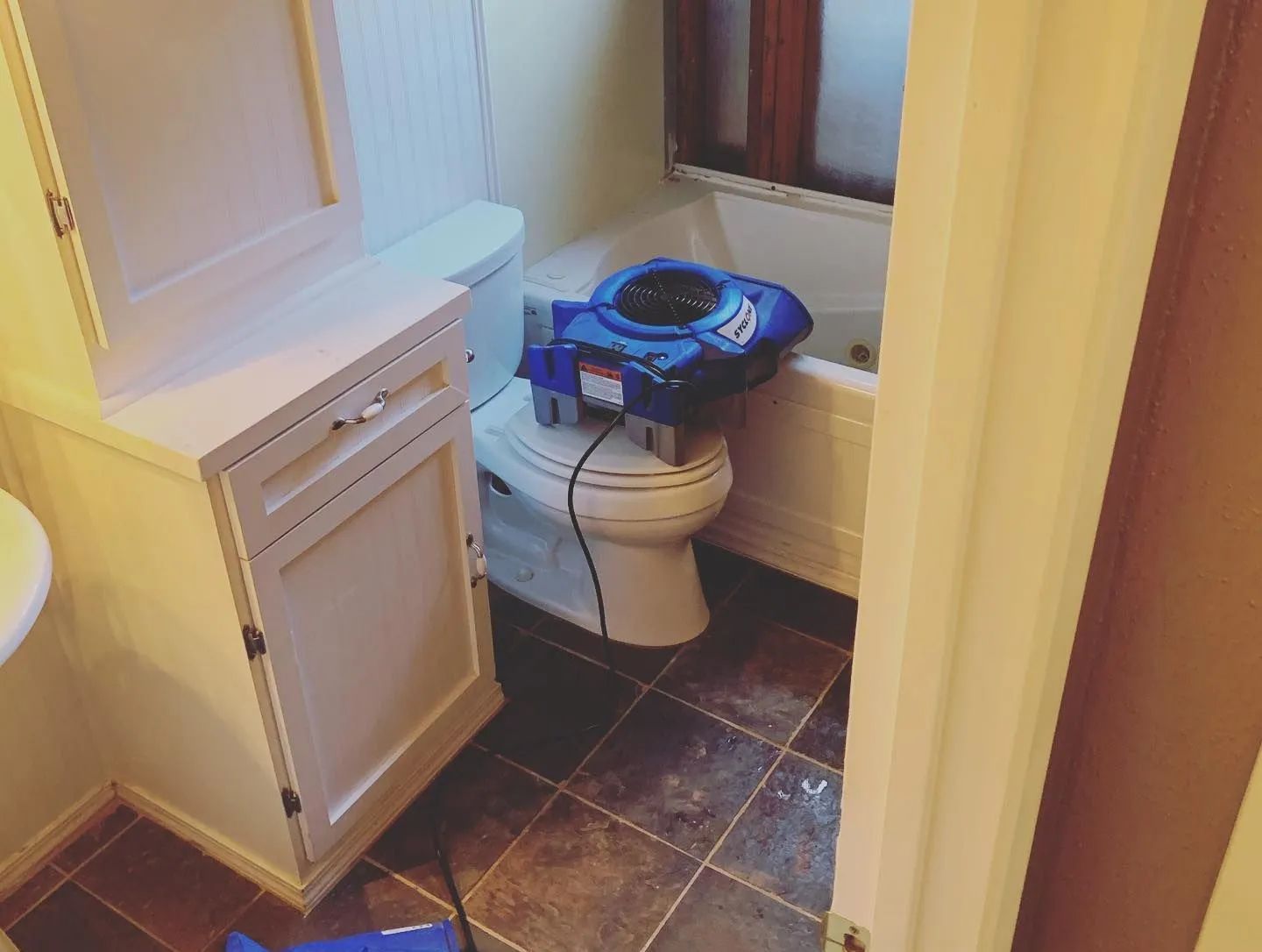
Do not use fans around standing sewage, because they can push contaminated moisture and odor into other rooms. Do not try to pressure wash or run a generator indoors, since generators produce carbon monoxide. Do not keep wet carpet, upholstered furniture, or paper goods in the hope they can be saved. And do not carry soaked materials through clean parts of the home on the way out.
If a boil water advisory is in effect in your area after a storm, follow it for drinking and personal hygiene until your local utility says the water is safe again.
Frequently Asked Questions
Is it safe to stay in the house during a sewage backup?
It depends on how far the water has spread, but the safest approach is to stay out of the affected rooms and keep children and pets away. For larger backups, many families choose to stay elsewhere until cleanup and drying are finished.
Can I clean up a small sewage backup myself?
Small, contained spills on hard surfaces are sometimes handled by homeowners with the right protective gear and careful hygiene. Anything that has reached carpet, drywall, or multiple rooms is better handled by professionals, because the hidden material is the harder part.
Why does the carpet have to be thrown away?
Carpet and padding absorb contaminated water and cannot be reliably made sanitary once they are soaked. Removing them lets the floor underneath be cleaned and dried properly.
How long does sewage cleanup take?
It depends on the size of the backup and what the water reached. Extraction and cleaning usually happen quickly, while drying can take several days, and rebuilding comes afterward.
Will the smell go away after cleanup?
It should when the contaminated materials are removed and the structure is properly dried and treated. A smell that lingers usually means moisture or contaminated material is still present somewhere.
How do I know what caused the backup?
Often a camera inspection of the line or a plumber's evaluation can identify a clog, a break, or a root problem. Sometimes the cause is on the utility side, especially after heavy rain.
Common Causes of Sewage Backup
Recognizing these causes also reinforces the importance of not treating a sewage backup as a simple plumbing inconvenience. It is a health emergency that requires structured intervention.
Handling a Sewage Backup the Safe Way
A sewage backup is stressful, but it is a solvable problem when the right steps happen in the right order. Getting people and pets away from the water, pausing the use of fixtures, and leaving the contaminated work to trained crews protects the household. Proper cleanup removes materials that cannot be made sanitary, disinfects what remains, and dries the structure completely. Tracing the cause then keeps the same problem from returning after the repairs are finished.
National Restore LLC
has
handled sewage cleanup
and restoration in Foley and Gulf Shores, AL for 15+ years, and that time has shown how coastal storms, humidity, and low lying ground complicate every backup. Crews who know local construction, from slab foundations to raised floors, find hidden moisture sooner and treat it thoroughly. Homeowners come away with a clean, dry, odor free space, and the reassurance that the work was done to a sanitary standard.