Pipe Burst and Flooded the House? The First Steps to Take in the First Hour
July 15, 2026
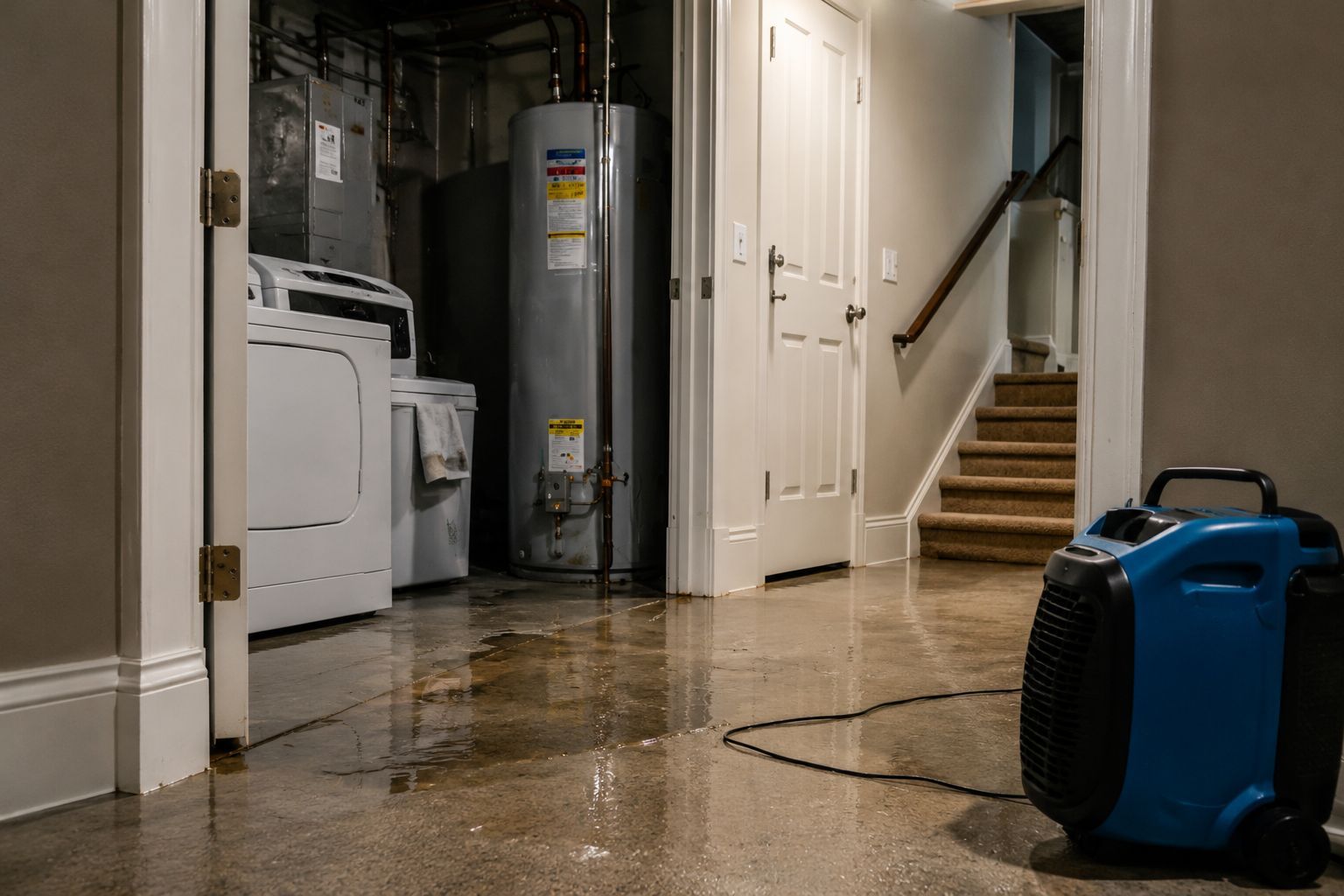
Quick Answer: If a pipe bursts and floods your home, the first hour comes down to a short list done in order: shut off the main water supply, open the lowest faucets to drain the pressure out of the lines, cut the power to any wet area at the breaker before you step into standing water, get people and pets out of the affected rooms, move what you can to dry ground, and start removing standing water only if it is safe to do so. Speed matters because wet materials can begin growing mold in as little as 24 to 48 hours, so the goal of that first hour is to stop the source and begin drying, not to clean up perfectly.
You come around the corner and hear it before you see it: water running where water should not be. Maybe a supply line let go behind the washing machine, maybe a pipe split in a wall, and now there is a spreading sheet of it across the floor, soaking into the baseboards and running toward the next room. Your heart is pounding, and the natural urge is to grab towels and start mopping. That is not where you should start.
The first hour after a pipe bursts is the hour that decides how bad this gets. Water moves fast, it goes where you cannot see it, and every minute the source keeps running is more water in your walls, your subfloor, and your belongings. The good news is that the right first moves are simple and the same every time. You do not need to be a plumber. You need to work the list in order, keep yourself safe, and get the water stopped so drying can begin. Here is exactly how to spend that first hour.
Shut Off the Water at the Main, Not Just the Fixture
Stop the water supply first
When a pipe bursts, your first priority is stopping the flow. Turn off the fixture valve if the leak is isolated. If you cannot locate it quickly or the break is hidden, shut off the home’s main water supply immediately.
Find and use the main shutoff
The main shutoff is typically near where the water line enters your home, such as a garage, utility area, or near the meter. Turn the valve clockwise until closed. Locate it before emergencies happen so everyone knows how to respond quickly.
Relieve pressure after shutting off water
After closing the main valve, open the lowest faucets and flush toilets to drain remaining water from the pipes. This reduces pressure inside the system and helps prevent additional water from escaping through the damaged pipe while cleanup begins.
Common Causes of Sewage Backup
Recognizing these causes also reinforces the importance of not treating a sewage backup as a simple plumbing inconvenience. It is a health emergency that requires structured intervention.
Treat Standing Water as an Electrical Hazard Until Proven Otherwise
Before entering a flooded room, consider what the water is touching. Wet outlets, cords, appliances, and power strips can create electrocution hazards. Always treat standing water as potentially energized until the electricity has been safely disconnected.
If the breaker panel is accessible from a dry area, turn off power to affected circuits. Never walk through standing water to reach it. Stay away and contact professionals or your utility company if safe access is not possible.
Warning: Never step into standing water that is touching outlets, cords, or plugged-in appliances until the power to that area is switched off at the breaker. If you cannot reach the panel without walking through the water, stay out and get a professional to cut the power first. Floodwater in contact with live electricity can be energized and is a genuine electrocution risk, not a theoretical one.
Common Causes of Sewage Backup
Recognizing these causes also reinforces the importance of not treating a sewage backup as a simple plumbing inconvenience. It is a health emergency that requires structured intervention.
Get People, Pets, and Priorities Out of the Water
Move people, pets, and valuables first
After stopping water and addressing electricity, clear the affected area. Move children and pets away, then remove rugs, lift furniture, and protect important items. Getting belongings onto dry surfaces quickly reduces additional damage while keeping everyone safer during cleanup.
Protect furniture from continued moisture
The goal is not immediate drying yet; it is preventing further loss. Raise furniture off wet floors using blocks or protective materials. This reduces water absorption, prevents staining, and helps preserve items while the structure receives proper drying attention.
Document the damage quickly
Take photos and videos showing the water source, affected areas, and damaged belongings. Documentation helps track the extent of the problem and supports future decisions. Move quickly, though, because stopping damage and beginning drying are more important than extensive recording.
Common Causes of Sewage Backup
Recognizing these causes also reinforces the importance of not treating a sewage backup as a simple plumbing inconvenience. It is a health emergency that requires structured intervention.
Start Removing Water Only When It Is Safe
Once the power is handled and people are clear, you can begin pulling standing water out. A wet/dry vacuum is the right tool if you have one and the area is safe to enter. Mopping and towels help at the edges but barely dent a real flood. The point is to get the visible water off the surfaces so the slower, harder job of drying what soaked in can begin.
Here is where the type of water matters. Restoration professionals classify water damage under the IICRC S500 standard into three categories: Category 1 is clean, sanitary water from a source like a broken supply line; Category 2, sometimes called gray water, carries enough contamination to make you sick, from sources like a dishwasher or washing machine discharge; and Category 3, black water, is grossly contaminated, including sewage backups and outdoor floodwater. A clean supply-line break starts as Category 1, but that status does not last. As clean water sits and soaks into drywall, carpet padding, and dust, it picks up contaminants and can degrade into Category 2 or 3 over time, which is one more reason speed matters.
Tip: If the burst is from a clean supply line, opening windows and running fans can help you start drying a Category 1 loss. Do not run household fans across water you suspect is contaminated, such as anything involving a sewer line or outdoor floodwater, because moving that air can spread contaminants through the home. When in doubt about what the water is, leave the fans off and get it assessed.
Common Causes of Sewage Backup
Recognizing these causes also reinforces the importance of not treating a sewage backup as a simple plumbing inconvenience. It is a health emergency that requires structured intervention.
Understand Why the Clock Is Really Running
It is tempting to think that once the water stops flowing, the emergency is over and cleanup can happen whenever you get to it. That is the mistake that turns a water problem into a mold problem. The EPA's guidance on mold and moisture is direct: if you already have a moisture problem, act quickly, because the longer moisture and any growth sit, the more damage they cause, and wet porous materials often have to be thrown away rather than saved.
The widely cited benchmark across the EPA and FEMA is that drying wet materials within roughly 24 to 48 hours helps prevent mold growth in many cases. Mold spores are already present in every indoor environment; they do not need to be introduced, they just need sustained moisture and something organic to grow on. Along the humid Gulf Coast, where indoor humidity runs high for much of the year, that window can feel even tighter, because the surrounding air is not going to pull moisture out of your walls for you. This is why the first hour is about stopping the source and starting to dry, and why waiting a day or two to deal with it is how a fixable problem becomes an expensive one.
Common Causes of Sewage Backup
Recognizing these causes also reinforces the importance of not treating a sewage backup as a simple plumbing inconvenience. It is a health emergency that requires structured intervention.
Know What You Can Handle and What Needs a Pro
A small, clean spill you caught in minutes on a hard floor is something a homeowner can often manage. A burst pipe that flooded rooms, soaked into drywall and carpet, or ran for a while before you found it is a different animal, and the reason is hidden moisture. Water travels along framing and under flooring and wicks up inside wall cavities where you cannot see or reach it with a towel. The surface can feel dry to the hand while the material behind it stays saturated, and that hidden moisture is exactly what feeds mold and rot.
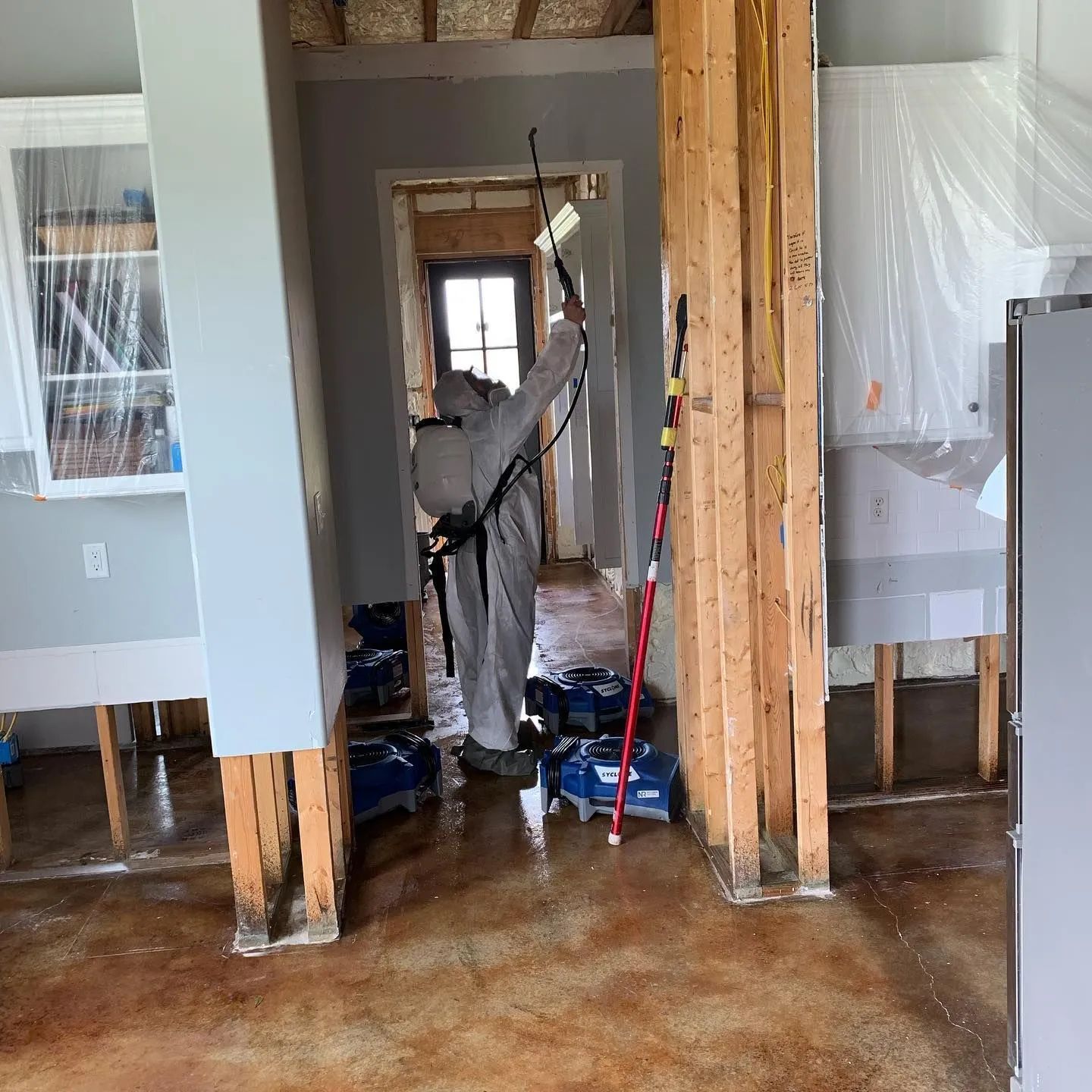
The EPA notes that when there has been a lot of water damage, or when contaminated water is involved, the job calls for a professional rather than a DIY effort. Restoration crews use moisture meters and thermal imaging to find water you cannot see, then set up commercial air movers and dehumidifiers to dry the structure from the inside out, and they verify the space is actually dry before they call it done. That is the difference between a room that looks dry and a room that is dry. In the first hour, your job is to stop the water and begin drying; bringing in help early is how you make sure the water that soaked in behind the walls does not become next month's problem.
Frequently Asked Questions
What is the very first thing to do when a pipe bursts?
The first step is stopping the water supply. Close the fixture valve if possible or shut off the main valve. Then drain pressure from pipes using faucets and toilets before handling cleanup.
Is it safe to walk into a flooded room to save my things?
Not until electricity is addressed. Water near outlets, cords, or appliances can be dangerous. Turn off power only if you can safely access the breaker panel without entering standing water. Otherwise, wait for professional help.
How fast can mold start growing after a pipe bursts?
Mold can begin developing within 24 to 48 hours when moisture remains. Quick drying is essential because indoor spores already exist. Fast response helps prevent mold growth, structural damage, and more expensive restoration needs.
Should I open windows and run fans to dry things out?
Fans and ventilation may help with clean water damage. However, avoid spreading air across contaminated water from sewage or flooding. If water quality is uncertain, professional assessment is safer before starting any drying methods.
The floor looks dry now, so is the problem over?
No. Hidden moisture can remain under floors, inside walls, and around framing even when surfaces appear dry. Professionals use moisture meters and thermal imaging to locate trapped water and confirm the structure is completely dry.
When should I call a restoration company instead of handling it myself?
Call professionals when water affects drywall, flooring, carpets, large areas, or involves contamination. Quick response after major damage helps remove hidden moisture, prevent mold growth, and reduce repair costs through proper drying and verification.
Common Causes of Sewage Backup
Recognizing these causes also reinforces the importance of not treating a sewage backup as a simple plumbing inconvenience. It is a health emergency that requires structured intervention.
Working the First Hour With a Clear Head
A burst pipe feels like chaos, but the response is a short, ordered list, and working it calmly is what keeps a bad morning from becoming a bad month. Shut off the main and drain the pressure. Treat the water as an electrical hazard until the power to the area is off. Get people, pets, and valuables clear. Start pulling standing water only when it is safe, and begin drying, mindful that the clock on hidden moisture is already running. You do not have to do it perfectly. You have to stop the source, stay safe, and start drying, and then get eyes on the water you cannot see.
Schedule
emergency water damage assessment and drying in Foley & Gulf Shores, AL — With
15+ years of experience, National Restore LLC responds around the clock across the Gulf Coast, helping homeowners address water damage before hidden moisture behind walls and under floors leads to mold and rot. After you stop the water and make the area safe, their team uses moisture meters and thermal imaging to locate trapped water, then deploys commercial air movers and dehumidifiers to dry the structure and verify it is truly dry before the restoration process is complete. Reach out to National Restore LLC now to get a crew moving while that critical 24-to-48-hour window is still on your side.