Sewage Backup Cleanup Steps for Protecting Health and Property
June 29, 2026
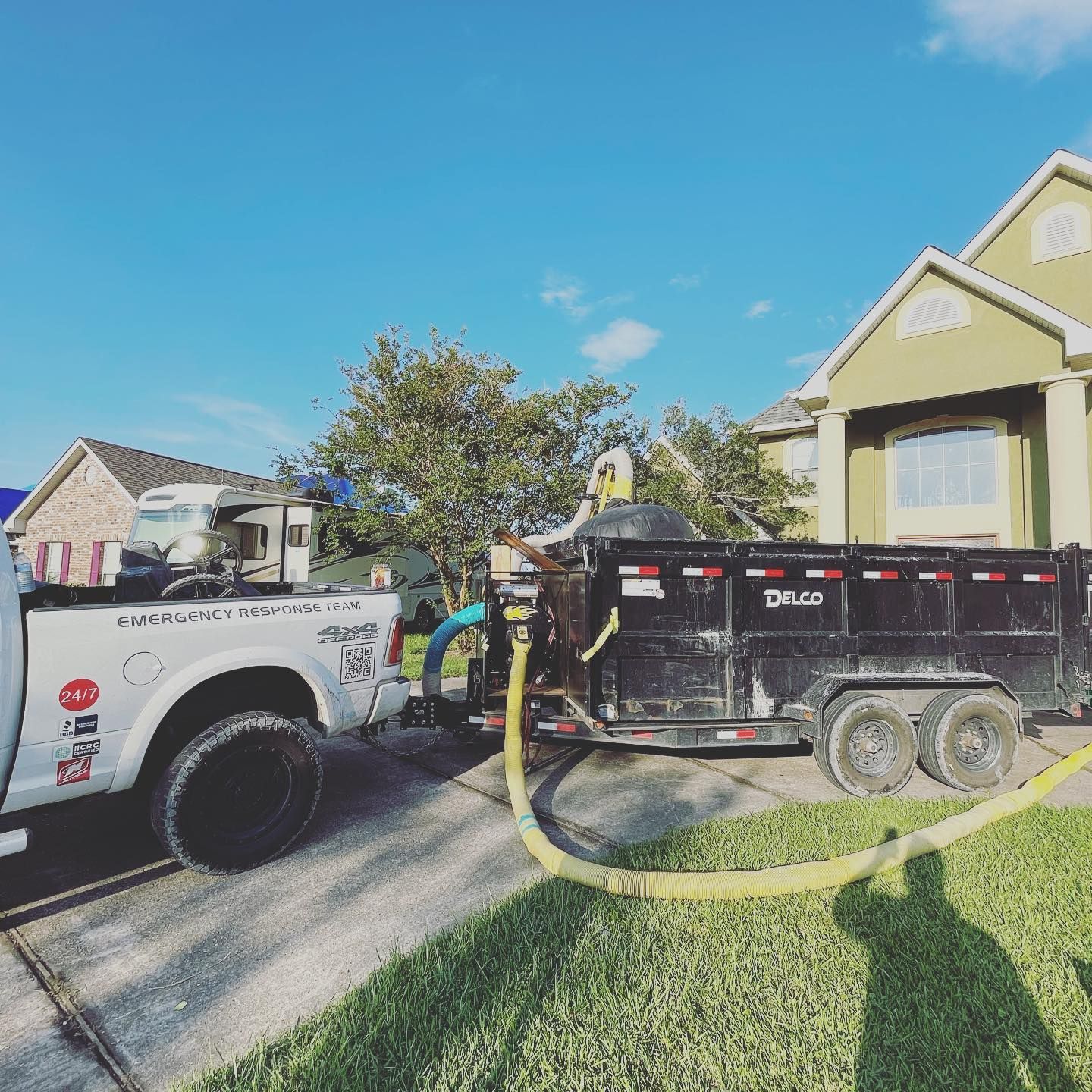
A sewage backup is one of the most alarming and hazardous situations a homeowner or property manager can face. Raw sewage does not simply create a foul odor or a visible mess. It introduces a complex mix of bacteria, viruses, and harmful pathogens directly into living spaces, making prompt and precise action a matter of genuine health urgency. Every hour of delay allows contamination to spread deeper into flooring, walls, and structural materials, compounding both the sanitation risk and the extent of damage.
What separates a safe recovery from a prolonged health crisis is the cleanup process itself. Sewage water falls under the most hazardous category of water damage, commonly referred to as Category 3 or black water. This classification means standard water removal methods are insufficient. Proper sewage backup cleanup demands a structured, methodical approach that prioritizes human safety, full contaminant removal, disinfection, and careful structural drying. Understanding each step of this process gives property owners the knowledge to act decisively and avoid the serious consequences of inadequate response.
Understanding the Hazards Before You Begin
Why Sewage Backup Is a Category 3 Emergency
Not all water damage is created equal. Category 3 water, which includes sewage backups, floodwater from rivers, and overflow from beyond toilet traps, carries the highest level of biological and chemical contamination. It contains human waste, E. coli, Salmonella, hepatitis A, norovirus, and a range of other pathogens capable of causing serious illness upon skin contact, inhalation, or accidental ingestion.
Common Causes of Sewage Backup
Understanding what causes backups helps property owners recognize early warning signs and respond before the situation worsens.
| Cause | Description |
|---|---|
| Clogged drain lines | Grease, wipes, and debris accumulate and block flow |
| Tree root intrusion | Roots infiltrate and crack underground pipes |
| Municipal line overflow | Heavy rainfall overwhelms city sewer infrastructure |
| Aging sewer pipes | Older clay or cast iron pipes collapse or corrode |
| Sump pump failure | Failed pump allows water and waste to reverse into the basement |
Recognizing these causes also reinforces the importance of not treating a sewage backup as a simple plumbing inconvenience. It is a health emergency that requires structured intervention.
Safety First — Preparing for Cleanup
Evacuating and Restricting Access
Before any cleanup begins, everyone who does not need to be involved in the remediation process should leave the affected area. Children, elderly individuals, and anyone with a compromised immune system must stay completely clear of the contaminated space. Sewage exposure can cause gastrointestinal illness, skin infections, and respiratory irritation, especially in enclosed spaces with poor ventilation.
Personal Protective Equipment
Anyone entering a sewage-affected area must wear full protective gear without exception. This includes:
Rubber or nitrile gloves that extend past the wrist, waterproof boots or boot covers, safety goggles or protective eyewear, an N95 respirator or a higher-rated mask, and disposable coveralls or clothing you plan to launder immediately at high heat.
No part of the cleanup should proceed without this protective barrier in place. Even brief, unprotected contact with sewage-contaminated surfaces poses a real infection risk.
Turning Off Electrical Sources
If sewage has reached areas near electrical outlets, appliances, or panels, electricity must be shut off to those areas before anyone enters. Water and electricity in combination create a life-threatening hazard. If you are uncertain whether it is safe to access the electrical panel, contact a licensed electrician before proceeding.
Containment and Water Removal
Stopping the Source
The first practical step in cleanup is stopping the flow of sewage. This typically means identifying whether the backup is coming from a toilet overflow, a floor drain, or a main line failure. In most cases, the municipal supply line to the property should be shut off. If the backup originates from a city sewer line overflow during heavy rain, there may be little that can be done to stop the source, making rapid removal even more critical.
Removing Standing Water and Solid Waste
Standing water must be extracted using industrial wet vacuums or submersible pumps designed for contaminated water removal. Household vacuums or mops are not appropriate for this task, as they spread contamination rather than contain it. Solid waste should be collected using heavy-duty bags and disposed of according to local health and waste regulations.
Do not attempt to flush sewage back down drains before the source blockage has been cleared. Doing so forces additional contamination into the plumbing system and risks further overflow.
Removing Unsalvageable Materials
Porous materials that have absorbed sewage contamination are typically beyond salvage. This includes carpet, carpet padding, drywall that has been saturated, insulation, and certain types of flooring. These materials must be cut out, bagged, and removed from the property. Attempting to disinfect and retain heavily saturated porous materials creates ongoing contamination and mold risk.
Deep Cleaning and Disinfection
Cleaning Hard Surface
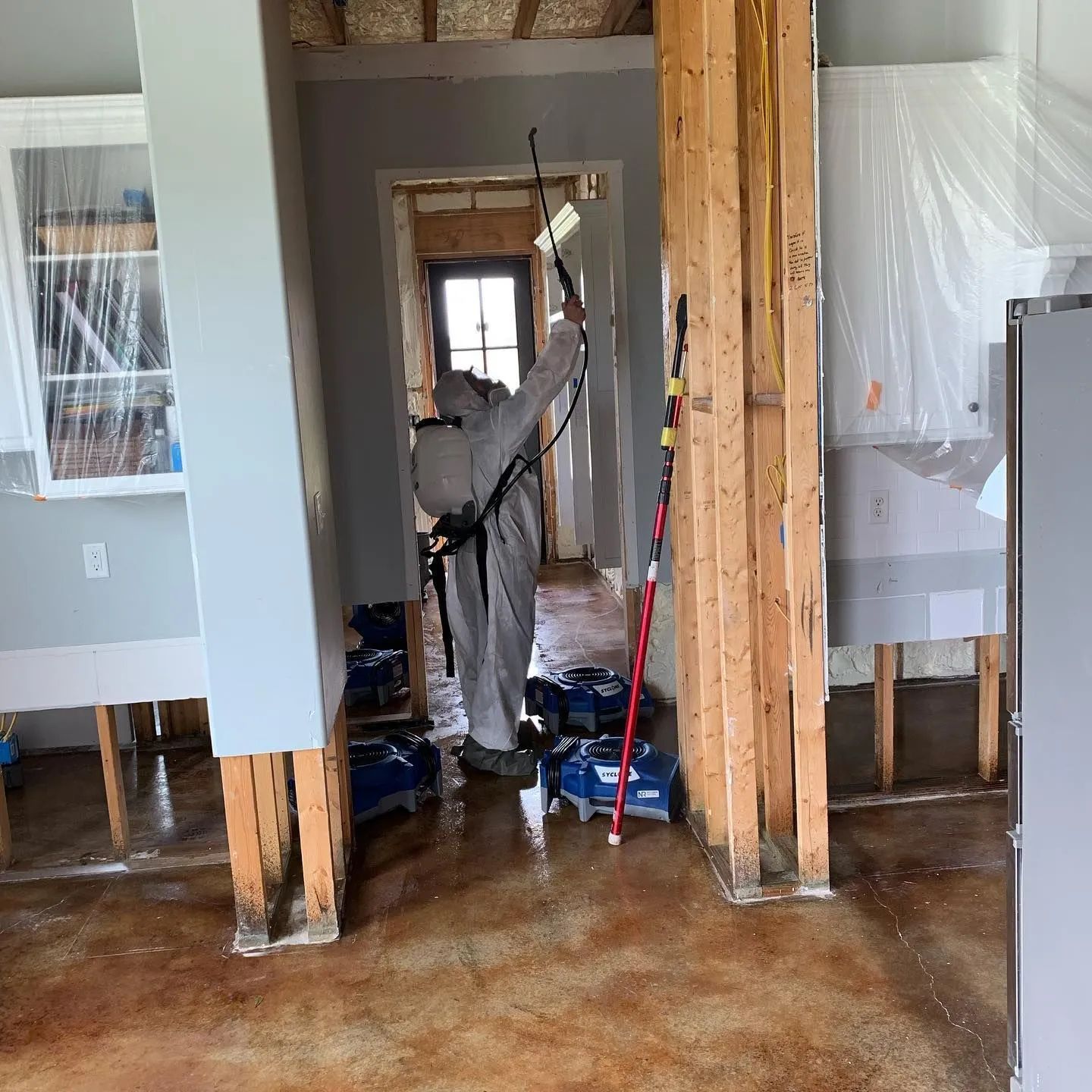
Once all standing water and solid waste have been removed, every hard surface in the affected area requires thorough cleaning before disinfection begins. This means scrubbing floors, walls, baseboards, and any fixtures with a detergent solution to remove organic matter. Disinfectants do not penetrate a layer of residual waste, so cleaning must come first.
Surface cleaning alone rarely resolves contamination issues completely. Porous materials such as insulation, carpeting, upholstered furniture, and drywall often absorb bacteria and contaminants deeply. In many cases, removal and replacement provide safer restoration solutions.
Disinfection Products and Application
For disinfection, the EPA recommends a solution of one cup of household bleach per gallon of water for non-porous surfaces. Apply the solution liberally and allow it to remain on the surface for a minimum contact time, typically at least ten minutes, before wiping. For larger areas, professional-grade disinfectants with documented efficacy against hepatitis A and other Category 3 pathogens are the preferred choice.
Pay particular attention to hidden areas including wall cavities where water has wicked upward, subflooring beneath removed materials, and the undersides of cabinets or vanities. Contamination in these areas is often overlooked and becomes a source of mold growth and lingering bacterial presence.
HVAC Systems and Air Quality
If sewage gases or contaminated water have reached the HVAC system or ductwork, the system must be shut down and professionally inspected before resuming operation. Running the system while contamination is present distributes pathogens and foul odors throughout the entire property. Air scrubbers with HEPA filtration are commonly used during professional remediation to capture airborne particles generated during cleanup.
Drying, Dehumidification, and Mold Prevention
Structural Drying After Sewage Cleanup
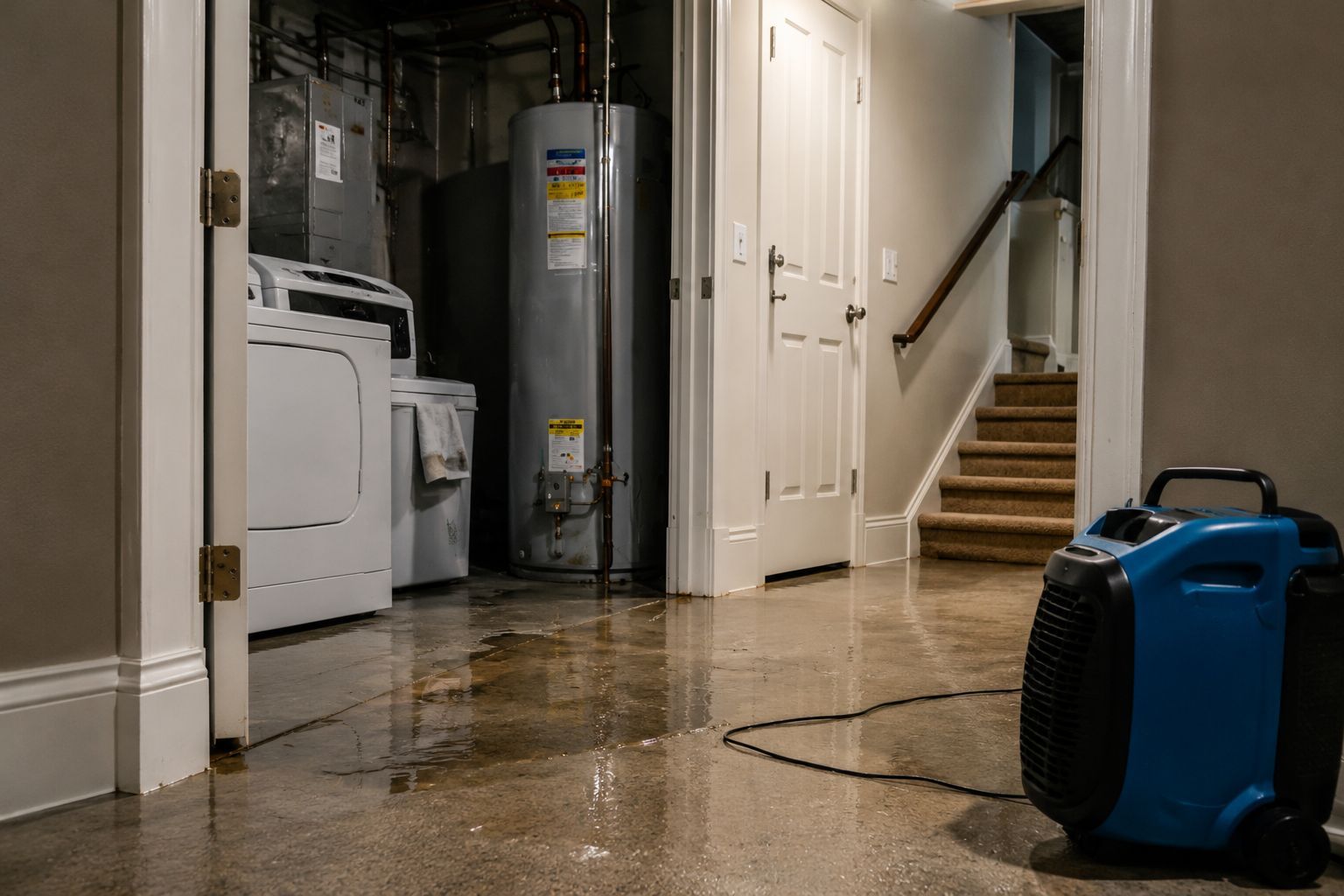
Once disinfection is complete, every affected surface must be dried thoroughly. Residual moisture left in walls, subflooring, or building cavities creates the conditions for mold growth within 24 to 48 hours. Industrial air movers direct high-velocity airflow across wet surfaces to accelerate evaporation, while commercial dehumidifiers pull moisture from the air and building materials simultaneously.
Moisture meters and thermal imaging equipment allow professionals to verify that concealed areas within wall assemblies and beneath flooring have reached acceptable moisture levels before reconstruction begins. Skipping this verification step is one of the most common causes of post-remediation mold problems.
Monitoring for Mold
Even with rapid and thorough drying, mold can establish in areas that were not fully addressed. During and after the drying phase, surfaces should be visually inspected for any discoloration, musty odor, or visible fungal growth. If mold is found, it must be remediated before any new building materials are installed
Skilled Restoration Professionals Committed to Safe Complete Cleanup
Sewage backup cleanup is not a task that can be approached casually or incompletely. The contamination risk is real, the structural damage escalates with every passing hour, and the consequences of cutting corners range from mold growth to serious illness. A thorough cleanup process that addresses safety, removal, disinfection, and drying at every stage gives your property the best chance at a full recovery. Restoring a space after sewage damage requires technical knowledge, the right equipment, and a disciplined approach that does not rush past any step.
When a sewage backup strikes, National Restore LLC is the team Foley and Gulf Shores, Alabama property owners rely on for a thorough, professional response. With more than 15 years of hands-on experience in water damage restoration and mold remediation, we bring the knowledge, equipment, and training that this level of contamination demands. We handle every stage of the process, from initial water extraction and containment through full disinfection, structural drying, and mold prevention, so nothing is left to chance. Our work meets industry standards for Category 3 water remediation, and we document the process thoroughly so you have a clear record for insurance purposes. When your home or business has been affected by sewage damage, National Restore LLC is ready to restore it safely and completely.
FAQs
Can I clean up a sewage backup on my own?
Minor overflows confined to a small, non-porous area can be managed with proper protective equipment and disinfectants. However, any backup involving Category 3 water that has spread across flooring, into walls, or reached a significant portion of a room warrants professional remediation to ensure complete decontamination and safe drying.
How long does sewage backup cleanup take?
The timeline depends on the extent of the contamination and the materials affected. A contained basement drain backup may take one to two days to remediate and dry. A more extensive backup involving soaked drywall, subfloor, and multiple rooms can take five to seven days or longer when full drying verification is included.
What health symptoms should I watch for after sewage exposure?
Watch for nausea, diarrhea, fever, skin rashes, or eye and throat irritation following sewage exposure. These can indicate bacterial or viral infection from contact with contaminated water. Anyone experiencing these symptoms after a sewage backup should seek medical attention promptly.
Will my homeowners insurance cover sewage backup cleanup?
Standard homeowners insurance policies often exclude sewage backup unless a specific sewage backup rider has been added to the policy. Reviewing your policy details and contacting your insurer immediately after a backup event is important for understanding what coverage applies to your situation.
How soon can mold develop after a sewage backup?
Mold can begin developing within 24 to 48 hours of water exposure under warm, humid conditions. This is why rapid water removal, disinfection, and structural drying are critical steps that should never be delayed following a sewage backup event.