Hurricane Headed for the Gulf Coast? How to Prepare Your Home Before It Hits
August 20, 2026
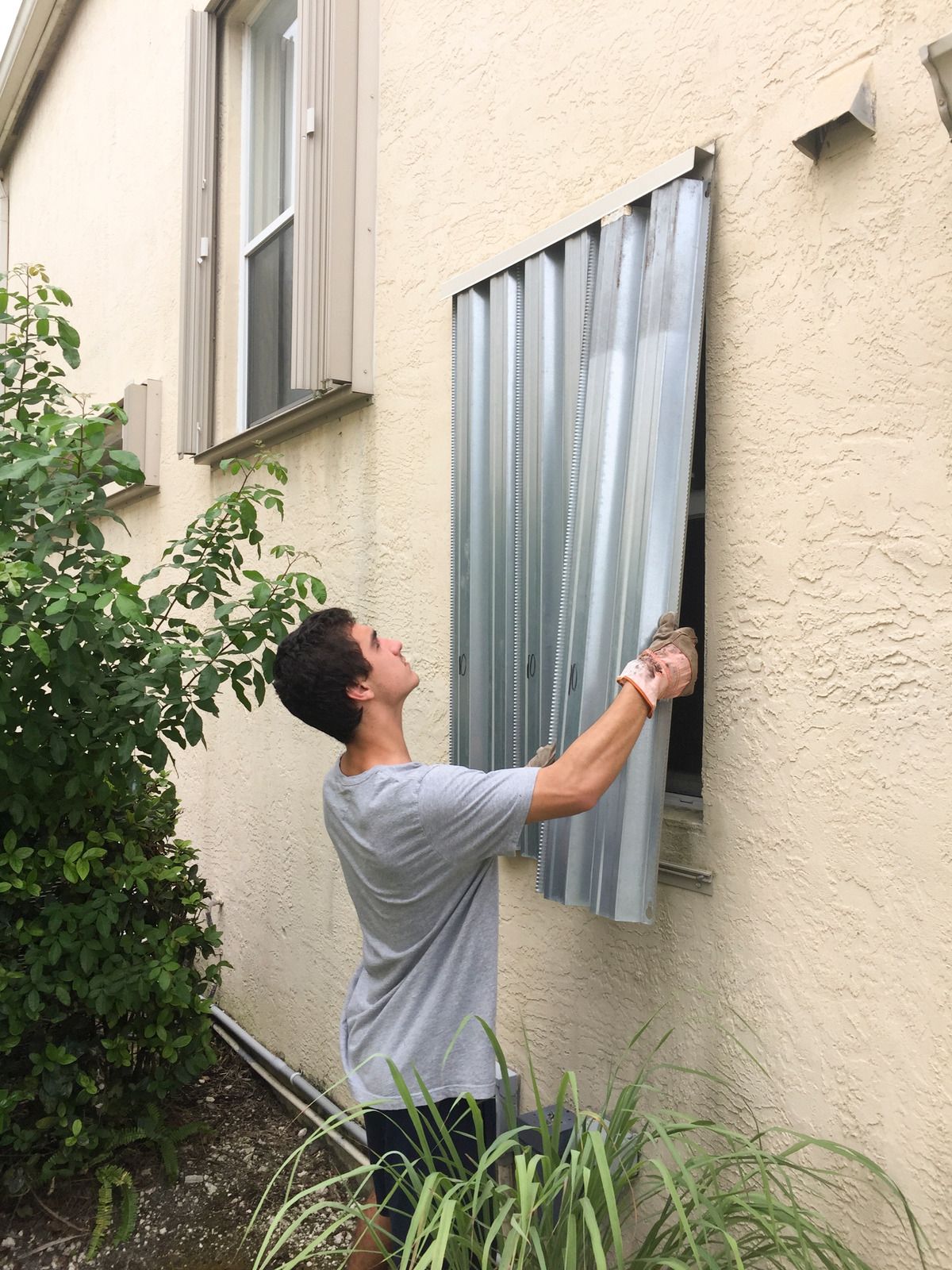
When a tropical system starts tracking toward Foley, Gulf Shores, or Orange Beach, you have a narrow window to get your home ready before wind and water start testing every weak point in it. The difference between a home that rides out a storm with minor cleanup and one that ends up gutted often comes down to what got done in the 48 to 72 hours beforehand.
Quick Answer: In the days before a hurricane reaches the Gulf Coast, focus on four things in order: protect openings (windows, doors, garage), clear the yard of anything that can become a projectile, address drainage and roof vulnerabilities, and document your home's current condition with photos and video. Each of those steps reduces a specific type of damage, and doing them out of order can waste your remaining time.
Stop the water supply first
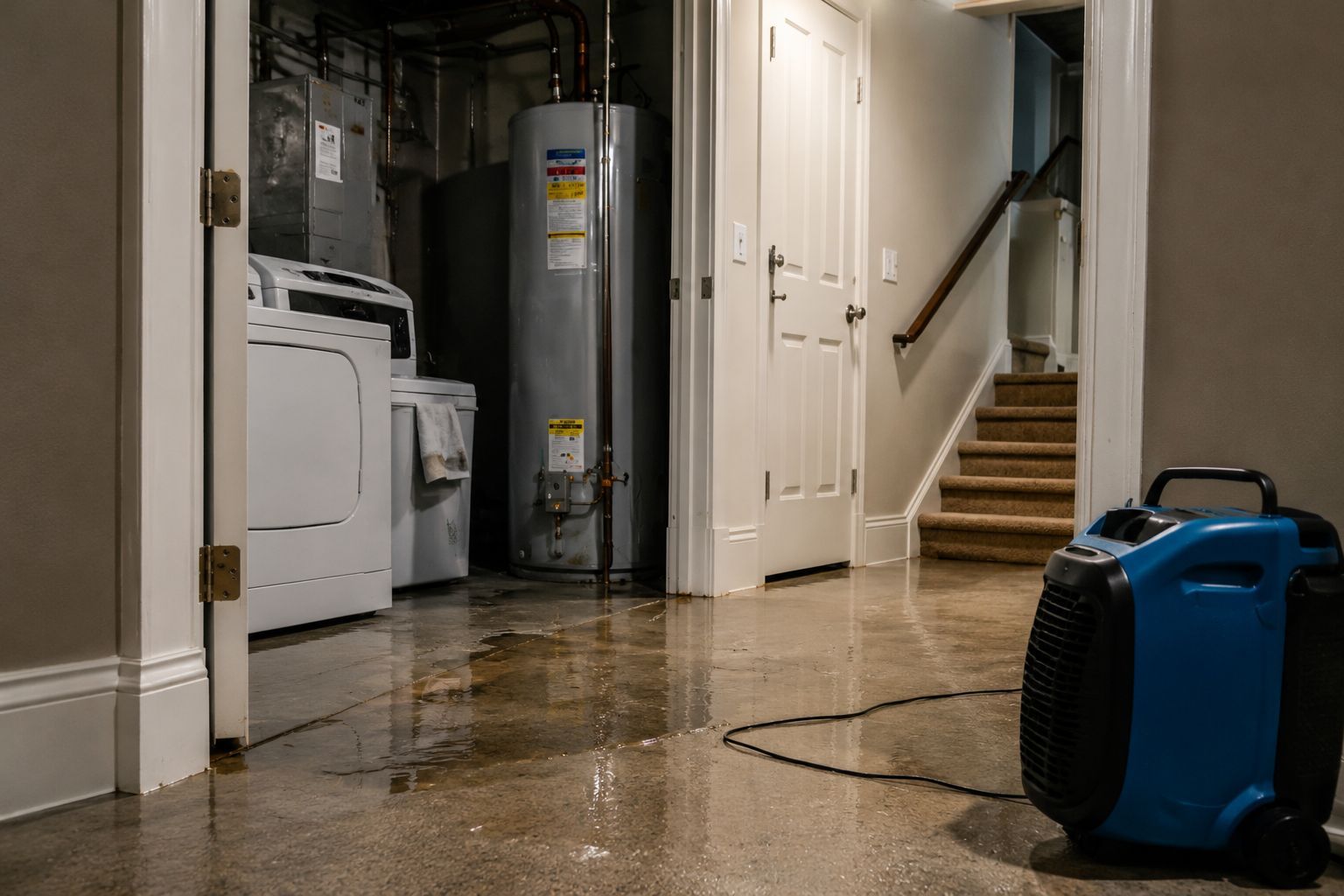
When a pipe bursts, your first priority is stopping the flow. Turn off the fixture valve if the leak is isolated. If you cannot locate it quickly or the break is hidden, shut off the home’s main water supply immediately.
Why Timing Matters More Than the Checklist Itself
Every hurricane prep list looks similar on paper. What separates a well-prepared home from one that gets caught halfway through is timing. Coastal Alabama and the Florida Panhandle sit in a stretch of the Gulf where storms can intensify quickly over warm water, and the gap between "watch" and "warning" can close faster than people expect. If you wait until a hurricane warning is issued to start boarding windows or hauling in patio furniture, you are competing with every other homeowner in Baldwin County for the same plywood, sandbags, and daylight hours.
A more reliable approach is to treat hurricane season itself, not the individual storm, as your prep window. Alabama and the Florida Panhandle sit inside the Atlantic hurricane season that the National Hurricane Center tracks from June through November, with the heaviest activity typically clustering from August through October. That means the roof inspection, the tree trimming, and the drainage check should happen before a storm has a name, so that when one does turn toward the coast, your task list is short and specific instead of overwhelming.
Common Causes of Sewage Backup
Recognizing these causes also reinforces the importance of not treating a sewage backup as a simple plumbing inconvenience. It is a health emergency that requires structured intervention.
Start With the Building Envelope
The building envelope, meaning the roof, walls, windows, and doors, is what keeps wind and water on the outside of your home. Hurricane-force winds do damage in two ways: direct pressure on flat surfaces, and airborne debris striking a weak point hard enough to breach it. Once a window or door fails, wind pressure inside the house can push upward on the roof structure from underneath, which is how a single broken window turns into a torn-off roof section.
Windows and Doors
If you have hurricane shutters or impact-rated windows, this is the moment to use them. If you do not, exterior-grade plywood cut and pre-drilled ahead of time, not during the emergency, is the standard fallback. Garage doors deserve particular attention along the Gulf Coast because they are the largest opening on most homes and are more prone to wind failure than a standard door. A garage door that buckles inward can pressurize the entire structure.
Roof and Gutters
Walk the perimeter of your home and look up. Loose shingles, lifted flashing around vents and chimneys, and gutters packed with debris are all small problems that a hurricane will find and exploit. Clogged gutters and downspouts cause water to back up under roof edges instead of draining away, which contributes to the kind of slow water intrusion that shows up as staining and softened drywall days after the storm has passed. If you have had roof work done recently, this is also a good time to confirm nothing was left loose from that job.
Common Causes of Sewage Backup
Recognizing these causes also reinforces the importance of not treating a sewage backup as a simple plumbing inconvenience. It is a health emergency that requires structured intervention.
Clear the Yard Before Wind Turns It Into a Weapon
Anything in your yard that is not anchored down can become a projectile in sustained hurricane-force winds. Patio furniture, potted plants, grills, trash cans, and yard decorations should come inside a garage or shed, not just get pushed against a wall. Trim dead or overhanging branches well before storm season peaks. Shallow-rooted trees common to sandy coastal soil, like many pines and some ornamental species, are more prone to toppling in saturated ground and high wind than deeper-rooted hardwoods, and a falling tree is one of the more common causes of major structural damage in Gulf Coast storms.
Tip: Take a slow video walk-through of your home's exterior and interior before the storm arrives, narrating the condition of floors, walls, and belongings as you go. If damage does occur, that footage gives you a clear, dated record of the home's condition beforehand, which proves useful during the cleanup and restoration process regardless of how the damage gets addressed afterward.
Common Causes of Sewage Backup
Recognizing these causes also reinforces the importance of not treating a sewage backup as a simple plumbing inconvenience. It is a health emergency that requires structured intervention.
Address Drainage and Grading Around the Foundation
Storm surge and rainfall are two different threats, and Gulf Coast homes can face both in the same event. Storm surge is the wind-driven rise in seawater that pushes inland from the coast, and it is historically the deadliest and most destructive element of a hurricane in low-lying coastal areas. Rainfall flooding is separate and can happen well inland, even in homes far from the shoreline, when drainage systems and soil simply cannot absorb the volume of water a slow-moving storm dumps in a short period.
Around your home, check that the ground slopes away from the foundation, that downspouts direct water away from the house rather than pooling against it, and that any exterior drains are clear of leaves and sediment. If your home has a crawlspace, confirm vents and any sump systems are functioning. None of this prevents flooding in a major surge event, but it reduces how much water finds its way in from ordinary heavy rain, which is often the more common cause of post-storm water damage even in homes outside flood zones.
Common Causes of Sewage Backup
Recognizing these causes also reinforces the importance of not treating a sewage backup as a simple plumbing inconvenience. It is a health emergency that requires structured intervention.
Know Your Storm's Category and What It Actually Means
The National Hurricane Center rates hurricanes on the Saffir-Simpson Wind Scale, categories 1 through 5, based on sustained wind speed. It is worth understanding what those categories describe in practical terms:
- Category 1 (74-95 mph): Can still damage roofing, siding, and gutters on well-built homes, and snap large tree branches.
- Category 2 (96-110 mph): Well-constructed homes can sustain major roof and siding damage; shallow-rooted trees are commonly uprooted.
- Category 3 (111-129 mph): Considered a major hurricane; well-built homes may lose roof decking or gable ends.
- Category 4-5 (130 mph and above): Catastrophic wind damage is likely even to well-constructed homes, with severe roof and wall failures possible.
One important caveat: the category number describes wind, not storm surge or rainfall flooding, which can be severe even in a lower-category storm depending on the storm's size, forward speed, and the shape of the coastline it strikes. A slow-moving Category 1 can produce more flood damage than a fast-moving Category 3, so do not use the category number alone to decide how seriously to prepare.
Common Causes of Sewage Backup
Recognizing these causes also reinforces the importance of not treating a sewage backup as a simple plumbing inconvenience. It is a health emergency that requires structured intervention.
Build a Kit and a Plan, Not Just a Boarded-Up House
Physical prep on the house is only half the picture. Every Gulf Coast household should have an emergency kit with enough water, non-perishable food, medications, flashlights, batteries, and a battery-powered or hand-crank radio to last several days without power, along with a family communication and evacuation plan established before a storm is bearing down. Keep important documents, insurance information, and a copy of your home inventory in a waterproof container or a digital backup you can access if you have to evacuate.
Warning: If local officials issue a mandatory evacuation order for your area, follow it. No amount of home preparation is worth staying in a structure during storm surge or catastrophic wind, and staying behind can also put first responders at risk if they need to reach you once conditions worsen. Secure the home as best you can, then get yourself and your family to safety.
Common Causes of Sewage Backup
Recognizing these causes also reinforces the importance of not treating a sewage backup as a simple plumbing inconvenience. It is a health emergency that requires structured intervention.
After the Wind Dies Down
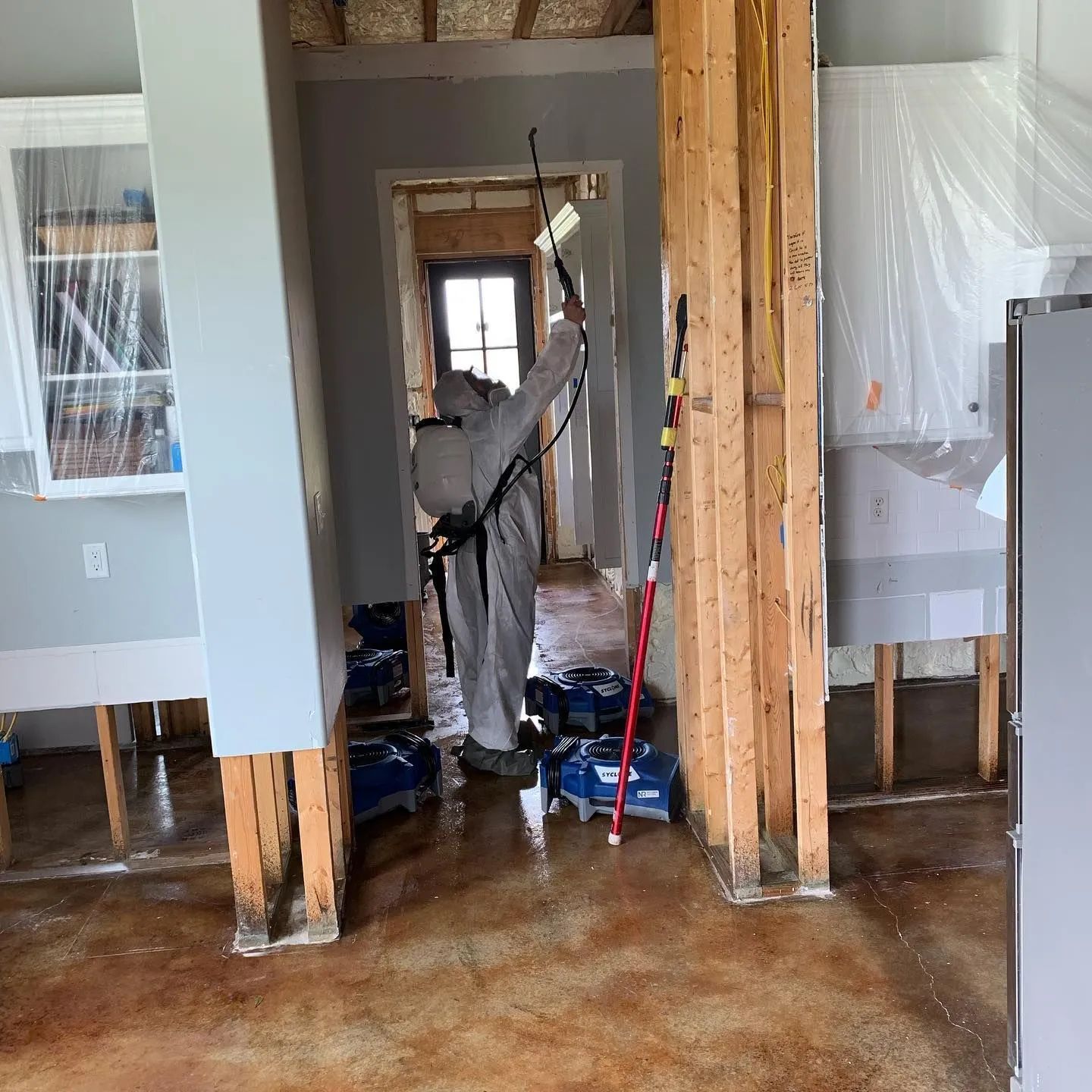
Once a storm passes, resist the urge to fully relax the moment the wind stops. Downed power lines, standing water hiding structural damage, and weakened trees or limbs remain hazardous for hours or days afterward. Walk the exterior of your home in daylight, look for obvious roof damage, broken windows, or water intrusion, and avoid entering any area with standing water near electrical systems. If you see signs of water getting in, whether from a breached roof, a broken window, or rising water at the foundation, addressing it quickly matters. Water that sits inside wall cavities, subfloors, or insulation for more than a day or two starts creating the conditions for mold growth and structural softening, on top of whatever direct damage the storm already caused.
Frequently Asked Questions
How far in advance should I start hurricane prep for my home?
Begin preparations before hurricane season. When a storm approaches, secure your home at least 24 to 48 hours before landfall to avoid worsening conditions, shortages, and rushed decisions.
Do I need to prepare differently if I'm not directly on the coast?
Yes. Inland homes face less storm surge risk but remain vulnerable to heavy rain, flooding, falling trees, and wind damage, making drainage checks and building protection important for homeowners.
What is the biggest mistake homeowners make when preparing for a hurricane?
Waiting too long is the biggest mistake. Boarding windows, securing outdoor items, and gathering supplies require time, and rushing increases the likelihood of overlooking important preparations before severe conditions arrive.
Should I turn off utilities before a hurricane?
Utility shutdown recommendations depend on your home's systems and storm conditions. Follow instructions from your electric, gas, and water providers or local emergency officials rather than turning utilities off automatically.
What should I do first if I discover water damage after the storm passes?
Once conditions are safe, begin drying affected areas quickly. Improve airflow where possible, avoid weakened floors or ceilings, watch for electrical hazards, and arrange a professional assessment of water damage.
Common Causes of Sewage Backup
Recognizing these causes also reinforces the importance of not treating a sewage backup as a simple plumbing inconvenience. It is a health emergency that requires structured intervention.
Prepared Before the Storm Makes the Difference
Hurricane preparation is most effective when it begins well before damaging winds and heavy rainfall reach the coast. For homeowners in Foley and Gulf Shores, AL, securing openings, clearing outdoor hazards, checking drainage, and documenting property conditions can reduce preventable damage. Even careful preparation cannot eliminate every risk, but completing these steps early gives a home a stronger chance of handling severe Gulf Coast weather while helping families focus on safety as conditions worsen.
After the storm, careful inspection and timely attention to moisture are just as important as preparation beforehand. Roof leaks, damaged openings, and hidden water intrusion can worsen quickly in the Gulf Coast climate. With 15+ years of experience, National Restore LLC
understands the
storm-related challenges
homes in this region can face. Staying prepared, following evacuation guidance, and recognizing damage early can help limit secondary problems and support a safer, more manageable recovery once severe weather has passed.