Effective Strategies for Mold Remediation to Keep the Home Safe
January 23, 2026
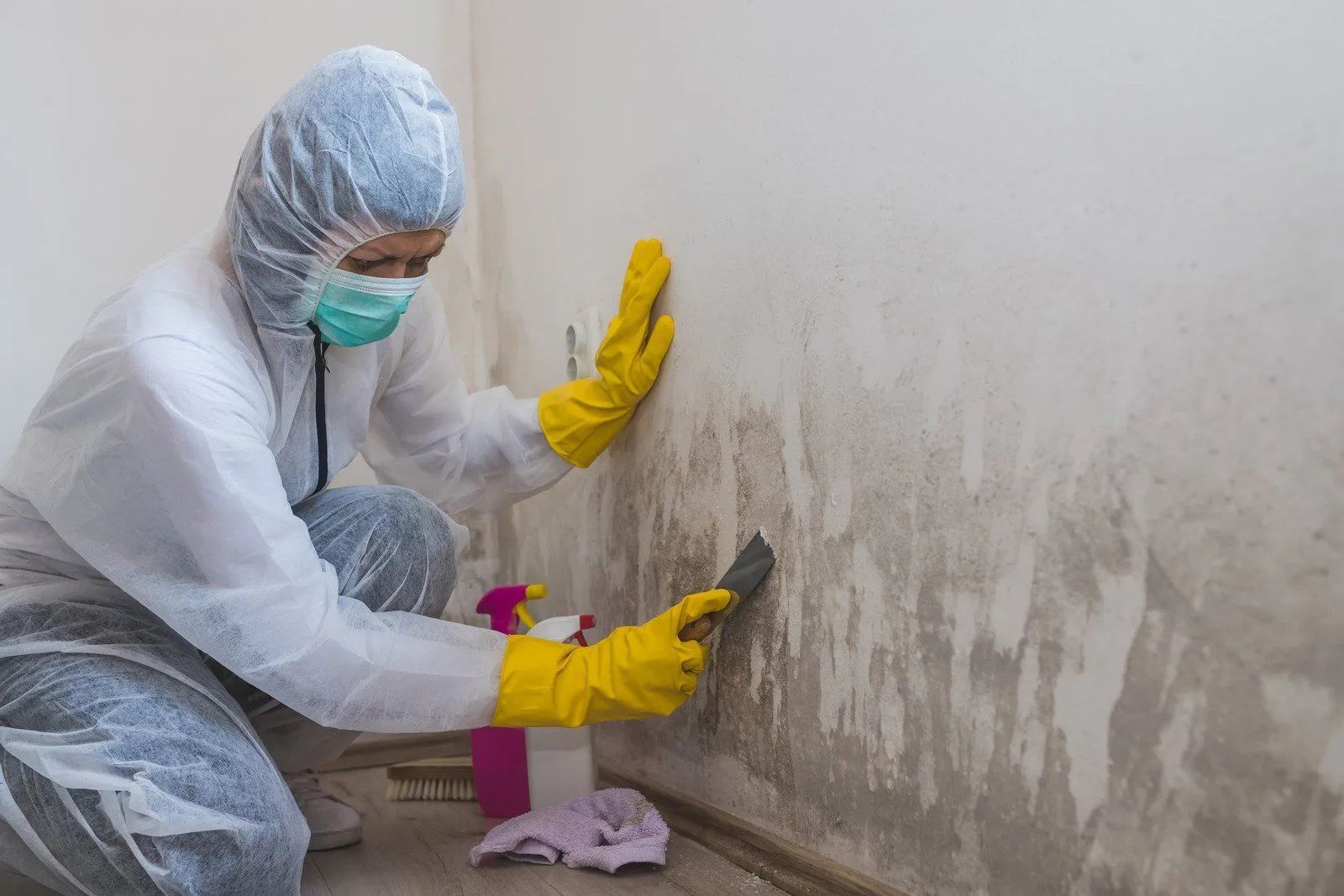
Mold is a pervasive issue that can silently compromise the safety and structural integrity of a home. Often invisible in the early stages, mold growth can emerge anywhere moisture accumulates, from hidden wall cavities and basements to poorly ventilated bathrooms and attics, especially after storms or minor leaks. The presence of mold is more than a cosmetic concern; it poses significant health risks, including respiratory issues, allergies, and long-term exposure complications that can affect vulnerable family members. For homeowners, understanding how to effectively identify, manage, and remediate mold is essential to maintaining a healthy living environment and avoiding future costly damage. With rising awareness of indoor air quality and property safety, effective mold remediation has become a critical component of home maintenance in every modern household.
Homeowners and property managers must adopt a proactive approach, combining preventive strategies with expert intervention when necessary to ensure a complete solution. Swift action is particularly important when dealing with large infestations, as delayed remediation can lead to extensive property damage, persistent odors, structural decay, and costly repairs. This guide explores actionable, evidence-based strategies to address mold, emphasizing both prevention and remediation techniques while also highlighting real-world examples and expert insights. By understanding the dynamics of mold growth and implementing targeted solutions, homeowners can protect their families, safeguard property value, and ensure a safe, resilient home environment that remains comfortable, healthy, and long-lasting.
Understanding Mold Growth and Its Risks
What Causes Mold Growth?
Mold thrives in damp, humid environments. Common sources of moisture include leaking pipes, roof damage, condensation, and poor ventilation. Mold spores are naturally present in the environment and can settle on surfaces with adequate moisture and organic material, such as wood, drywall, or carpet. Once established, mold can grow rapidly, often spreading to areas that are not immediately visible.
Health Risks Associated with Mold
Mold exposure can trigger a wide range of health concerns. Individuals with asthma, allergies, or compromised immune systems are particularly vulnerable. Symptoms can include coughing, sneezing, nasal congestion, skin irritation, and in severe cases, respiratory infections. Long-term exposure can exacerbate chronic conditions, making early detection and intervention crucial.
Property Damage and Structural Concerns
Beyond health, mold can compromise the structural integrity of a home. Prolonged exposure to moisture can weaken wood framing, damage drywall, and deteriorate insulation. Hidden mold growth can lead to significant repair costs if left unaddressed, highlighting the importance of routine inspections and prompt remediation.
Example Scenario: A homeowner notices a musty odor in a rarely used basement. On inspection, they discover hidden mold behind stored cardboard boxes and along the baseboards. Swift remediation prevents the infestation from spreading to adjacent living areas, reducing health risks and property damage.
Understanding the underlying causes and risks associated with mold growth sets the foundation for implementing effective remediation strategies.
Mold Detection and Assessment
Visual Inspection Techniques
The first step in effective mold remediation is a thorough inspection. Homeowners should look for visible signs, such as discoloration, black or green patches, peeling paint, and water stains. Even if mold is not visible, musty odors can indicate hidden growth. Inspect areas prone to moisture, including bathrooms, basements, kitchens, attics, and behind appliances.
Professional Mold Testing
While small infestations can sometimes be managed by homeowners, professional mold testing is recommended for larger or hidden infestations. Certified inspectors can perform air quality assessments and surface sampling to determine mold type and concentration. This information is crucial for developing a targeted remediation plan.
Risk Assessment and Prioritization
Not all mold requires the same level of intervention. High-risk areas, particularly those affecting living spaces or HVAC systems, should be prioritized. Risk assessment also involves evaluating the extent of water damage, structural vulnerabilities, and potential health hazards.
Best Practice Tip: Use moisture meters to detect dampness behind walls or under flooring. Early identification allows for faster remediation, minimizing both health risks and repair costs.
By accurately assessing the scope of mold contamination, homeowners can implement focused strategies that address the problem efficiently, reducing unnecessary disruption and expense.
Effective Mold Remediation Techniques
Containment and Safety Measures
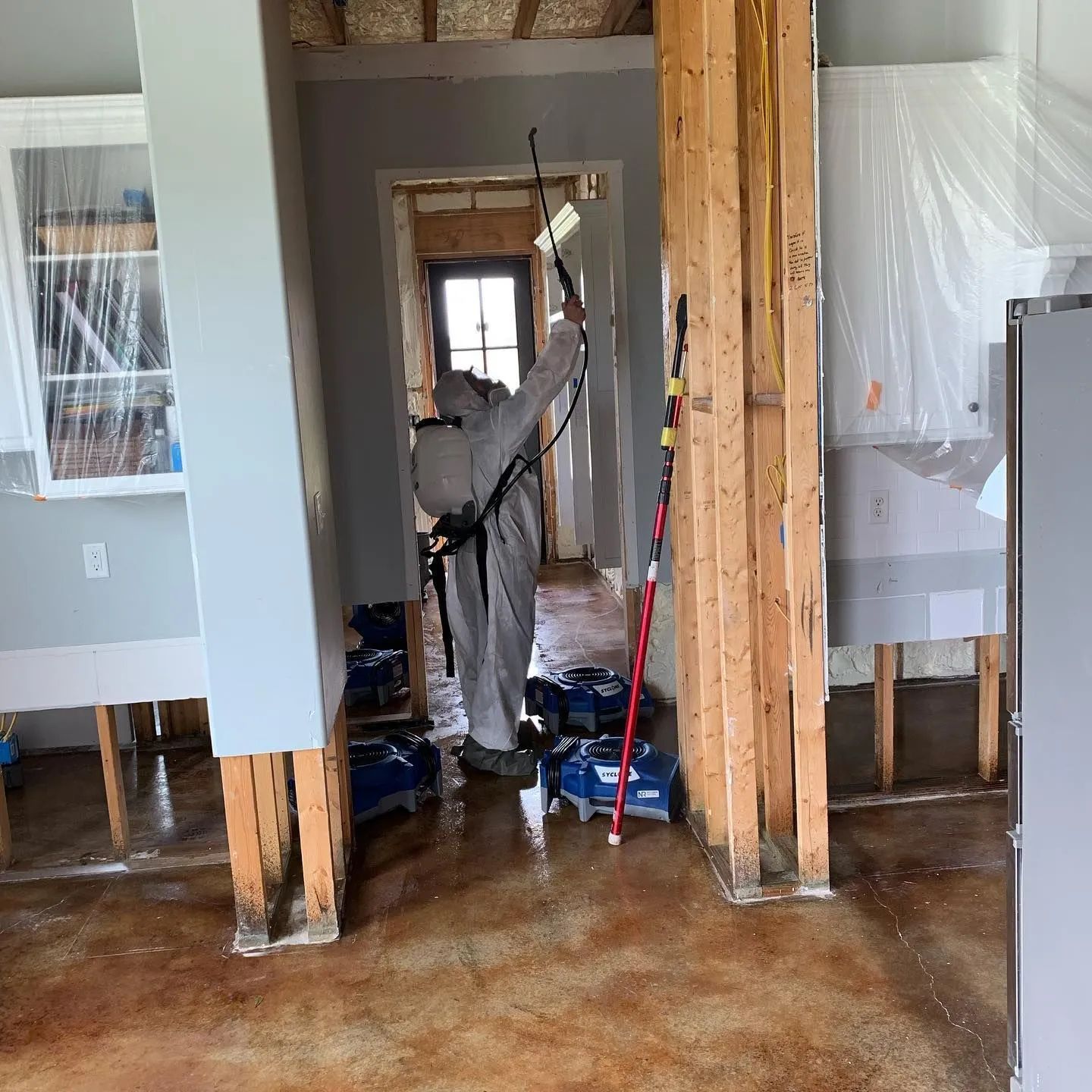
Before beginning remediation, it’s critical to contain affected areas to prevent spore spread. Use plastic sheeting and seal vents, doors, and windows. Protective equipment, such as gloves, goggles, and respirators, should be worn to reduce exposure. Removing pets and children from the work area is also advised.
Cleaning and Removal
For non-porous surfaces like tile, glass, and metal, mold can often be cleaned using detergent and water or specialized mold cleaners. Porous materials such as drywall, carpet, and insulation may require removal and replacement if heavily contaminated. Scrubbing, HEPA vacuuming, and proper disposal of infested materials are essential steps to prevent recurrence.
Drying and Dehumidification
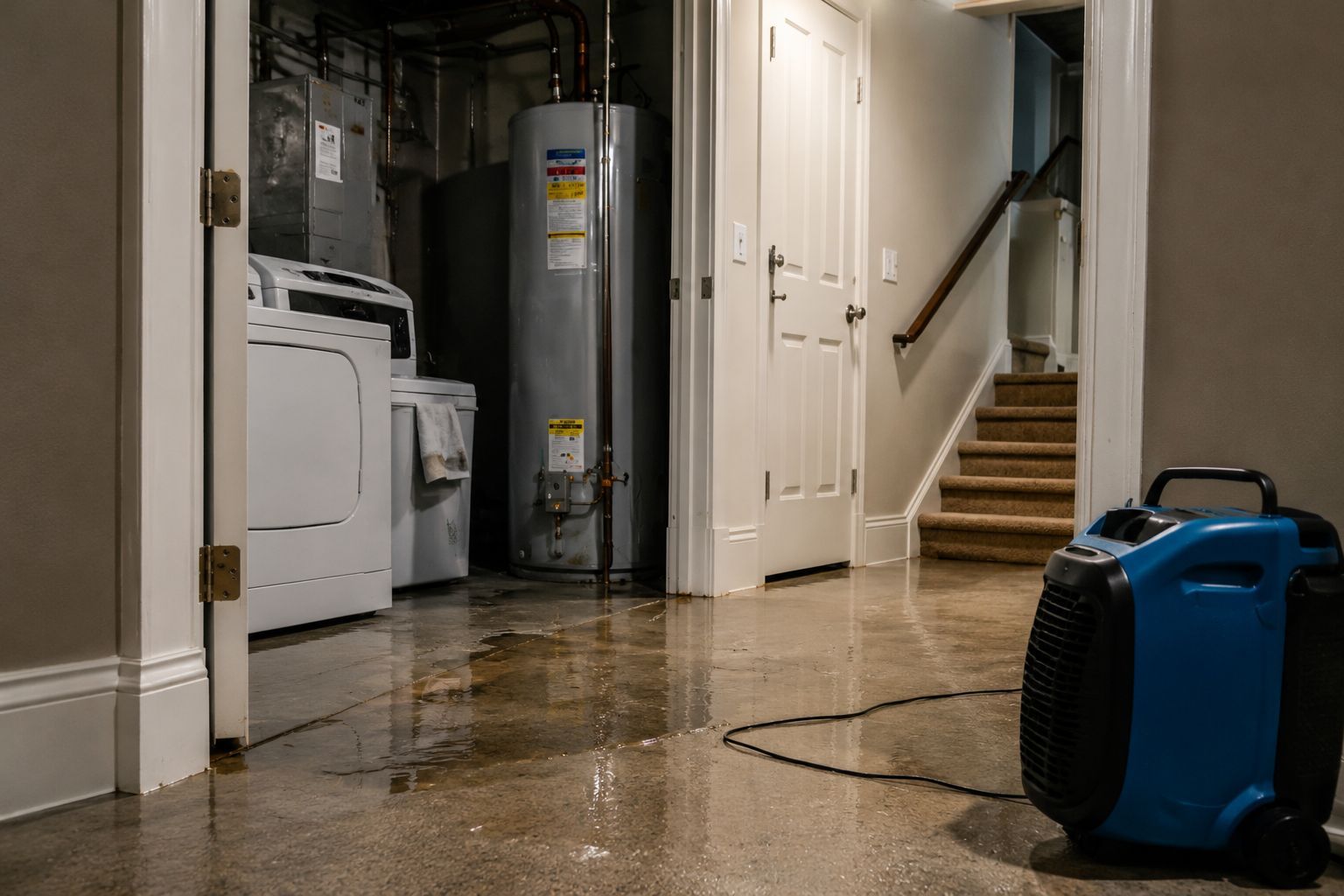
Moisture control is a cornerstone of mold remediation. Use dehumidifiers, fans, and ventilation systems to thoroughly dry affected areas. Reducing humidity levels below 50% discourages mold regrowth. Addressing the source of moisture, such as leaks or condensation, is equally important to prevent future infestations.
Advanced Remediation Options
In cases of extensive contamination, professional remediation may involve antimicrobial treatments, ozone generators, or thermal remediation techniques. Professionals follow industry-standard protocols, including the EPA and IICRC guidelines, to ensure safe and comprehensive removal.
Real-World Example: A Gulf Coast homeowner experiences mold growth after a hurricane-induced flood. A remediation team uses containment barriers, removes damaged drywall, applies antimicrobial solutions, and thoroughly dries the space. The home is restored to safe conditions, with a significant reduction in health risks and structural damage.
By combining cleaning, removal, and moisture control strategies, mold can be effectively managed, protecting both property and occupants.
Preventive Strategies to Limit Mold Recurrence
Moisture Control
The most effective preventive measure is controlling moisture. Regularly inspect plumbing, roofs, and windows for leaks. Install proper drainage systems around the foundation and ensure gutters direct water away from the home.
Ventilation and Airflow
Good ventilation reduces indoor humidity. Use exhaust fans in kitchens and bathrooms, open windows when feasible, and consider HVAC systems with humidity control. Ensure attics and crawl spaces are properly ventilated to discourage condensation.
Regular Maintenance and Cleaning
Routine maintenance reduces the risk of mold. Clean areas prone to moisture, replace damaged caulking, and inspect hidden spaces such as under sinks and behind appliances. Early intervention can prevent small mold patches from escalating.
Mold-Resistant Materials
When renovating, consider mold-resistant drywall, paints, and insulation. These materials are designed to withstand moisture and inhibit mold growth, providing long-term protection.
Example Scenario: A homeowner replaces standard drywall in a bathroom with mold-resistant panels and installs a ventilation fan. Years later, despite high humidity, the bathroom remains mold-free, demonstrating the value of preventive measures.
Preventive strategies are a cost-effective way to safeguard homes, reduce health risks, and extend the life of building materials.
When to Seek Professional Mold Remediation
Indicators of Severe Infestation
Certain situations require professional intervention. These include mold covering more than 10 square feet, contamination in HVAC systems, or persistent mold despite cleaning attempts. Professionals have the expertise, equipment, and training to handle complex infestations safely.
Benefits of Professional Remediation
Hiring experts ensures thorough removal, adherence to safety standards, and reduced likelihood of recurrence. Professionals also provide documentation for insurance purposes and can advise on structural repairs, moisture control, and long-term prevention.
Choosing a Certified Mold Remediation Company
Look for companies certified by organizations such as the IICRC. Review their experience, client testimonials, and safety protocols. A reputable service provider offers transparent pricing, detailed inspection reports, and customized remediation plans.
Example Scenario: A homeowner discovers mold behind an HVAC system. Attempted DIY removal only spreads spores through ductwork. A certified remediation company addresses the contamination, cleans the system, and installs UV treatments to prevent future growth.
Professional intervention ensures safety, compliance, and peace of mind, especially in situations where DIY efforts may be insufficient or risky.
Trusted Mold Remediation Specialists Protecting Your Home
Mold poses a serious threat to both health and property. Effective remediation requires a combination of accurate detection, safe removal, moisture control, and preventive measures. By understanding the causes of mold growth, employing proper remediation techniques, and adopting long-term preventive strategies, homeowners can maintain a safe and healthy living environment. Early intervention not only reduces health risks but also minimizes repair costs and protects the structural integrity of the home.
For residents in Foley and Gulf Shores, Alabama, National Restore LLC offers 15 years of expert mold remediation services. Our team combines technical expertise, industry-standard practices, and a commitment to client safety to provide comprehensive solutions for homes affected by mold. From detailed inspections and professional testing to thorough remediation and preventive guidance, we address every stage of mold management with precision and care.
We understand that mold emergencies can be stressful, which is why we prioritize rapid response and transparent communication. Our trained specialists use advanced equipment and proven techniques to ensure safe, effective remediation, minimizing disruption to your daily life. Beyond immediate remediation, we provide recommendations for moisture control, ventilation improvements, and long-term prevention strategies to protect your home from future infestations. Trust National Restore LLC
to safeguard your family and property with professionalism, experience, and dedication to excellence. Your home’s safety is our top priority.